The Joy of Third Place

(Update August 23: Esmée Böbner’s surprising—stunning—announcement that she will retire after the upcoming Swiss Championships puts the scenes below in a new light. I think back on how she struggled with her passing in the first set of the bronze medal game and her ability to turn things around in the closing points of that set. All of it with the knowledge that it would be the last time she had a chance at the podium in an international setting. Maybe there is more to write, but for now, I’m rather sad the game won’t have her for another decade—and extremely grateful that I got to see her with a medal around her neck before she exited).

THE HAGUE, Netherlands — International beach volleyball doesn’t do participation trophies. Those who play it don’t inhabit a warm and cuddly, “everyone tried their best” environment. Competition for sponsors, funding, coaching, even fans can be downright Hobbesian, brutish and short.

Consider the Elite 16 events, the premier tournaments in the current iteration of the world tour. There are perhaps seven or eight a year. Only 12 teams are guaranteed places in the main field, mostly based on ranking (the host nation typically gets a courtesy place among the dozen). For everyone else, and the list of teams nominally entered usually runs into several dozen, the math is harsh. Pay your own way halfway around the world—anywhere from Doha, Qatar, to Montreal, Canada—for one day of qualifying. And not just one qualifying match. You have to win two to make the main event, 16 qualifiers whittled down to four for the main draw. 
Not long ago, Austria’s Klinger sisters—frequently one of those teams trying to qualify for the Elite 16—offered an informative inside look on social media at how the costs add up. 

All of which is preamble to the idea that, yes, the women and men on the third place podium at the end of tournaments deserve their place in the celebration. 

Third place matches in any sport rarely held much interest for me. Nor am I alone. When I covered the 2007 Women’s World Cup in China, ESPN wanted me to fly home after the U.S. lost to Brazil in the semifinals (the infamous “Hope Solo speaks to CBC game” in Hangzhou). Never mind that changing the flight would have cost more than the additional nights of hotel (granted, this also says something about what the powers that be at ESPN.com thought of women’s sports at the time). I stayed, but I can’t claim that the U.S.-Norway game lingers in my memory. 

At other World Cups and Olympics, the third place game was in a different location than the final. I never saw them in person. NCAA championships don’t bother with third-place games. That never struck me as odd. Now it feels like a missed opportunity. 

America has a winner-take-all mentality in just about everything. We put it aside every couple of years for the Summer-Winter Olympic cycle, almost grudgingly valuing silver and bronze. But that’s easier to process in events in which everything is settled at once. Long jumpers don’t go back out and compete for bronze after missing out on gold. In team sports, watching teams play for third often felt anticlimactic. An afterthought. 

After the past two weekends, particularly this past weekend’s European Beach Volleyball Championships in The Hague, consider me converted. And it’s the Swiss who convinced me to cast aside my third place neutrality. 

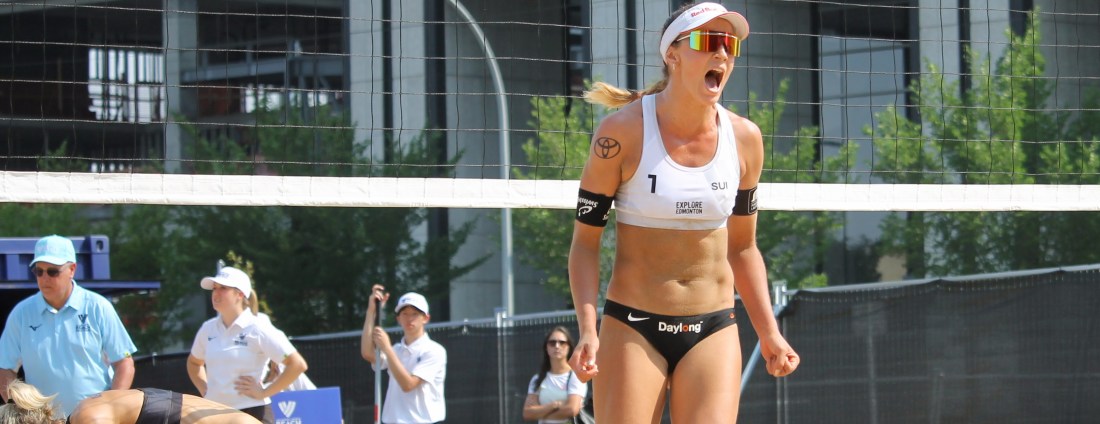
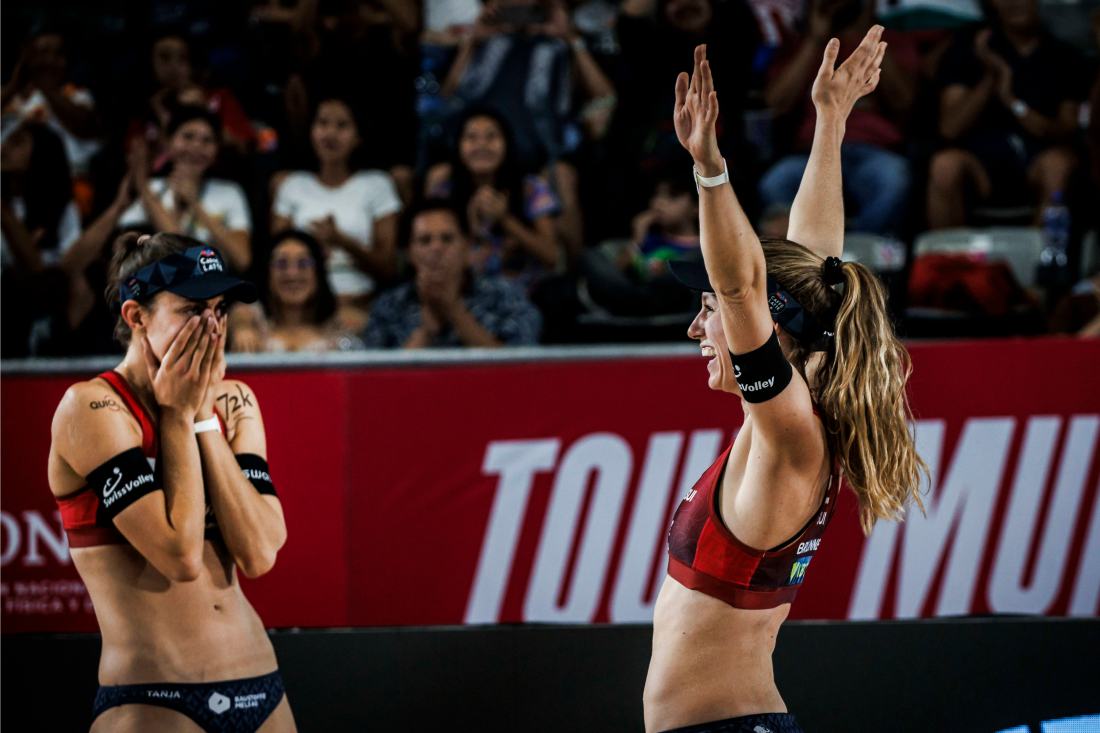
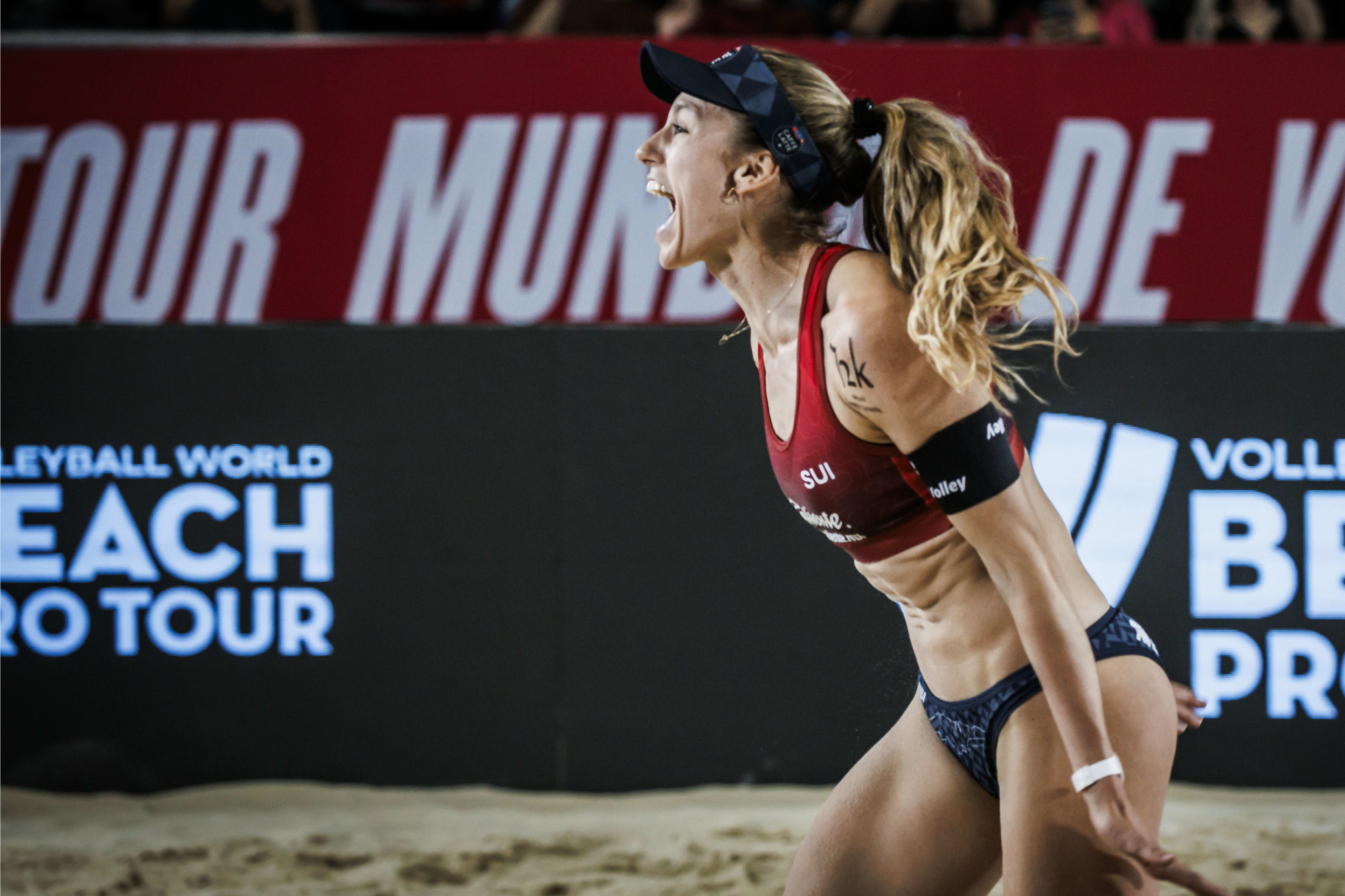
First came the Olympics, watching Nina Brunner and Tanja Huberli win bronze against Australia. Bronze was bittersweet, to be sure. After they had match point against Canada in the semifinal, the ball in the air asking to be killed, a sense of what might have been loomed large. Still, the focus with which they played and the joy that swept over them after the final point was unmistakably moving. No team in the tournament had been together longer, and bronze was career-affirming and life-changing in a country whose athletes earned eight medals in Paris. 

The rooting interest notwithstanding, physical distance meant some measure of emotional distance as a fan. I felt as if I was on a roller coaster with each point in the semifinal. I was pleased for them in the bronze medal game, but my emotional investment was kinder on my blood pressure.

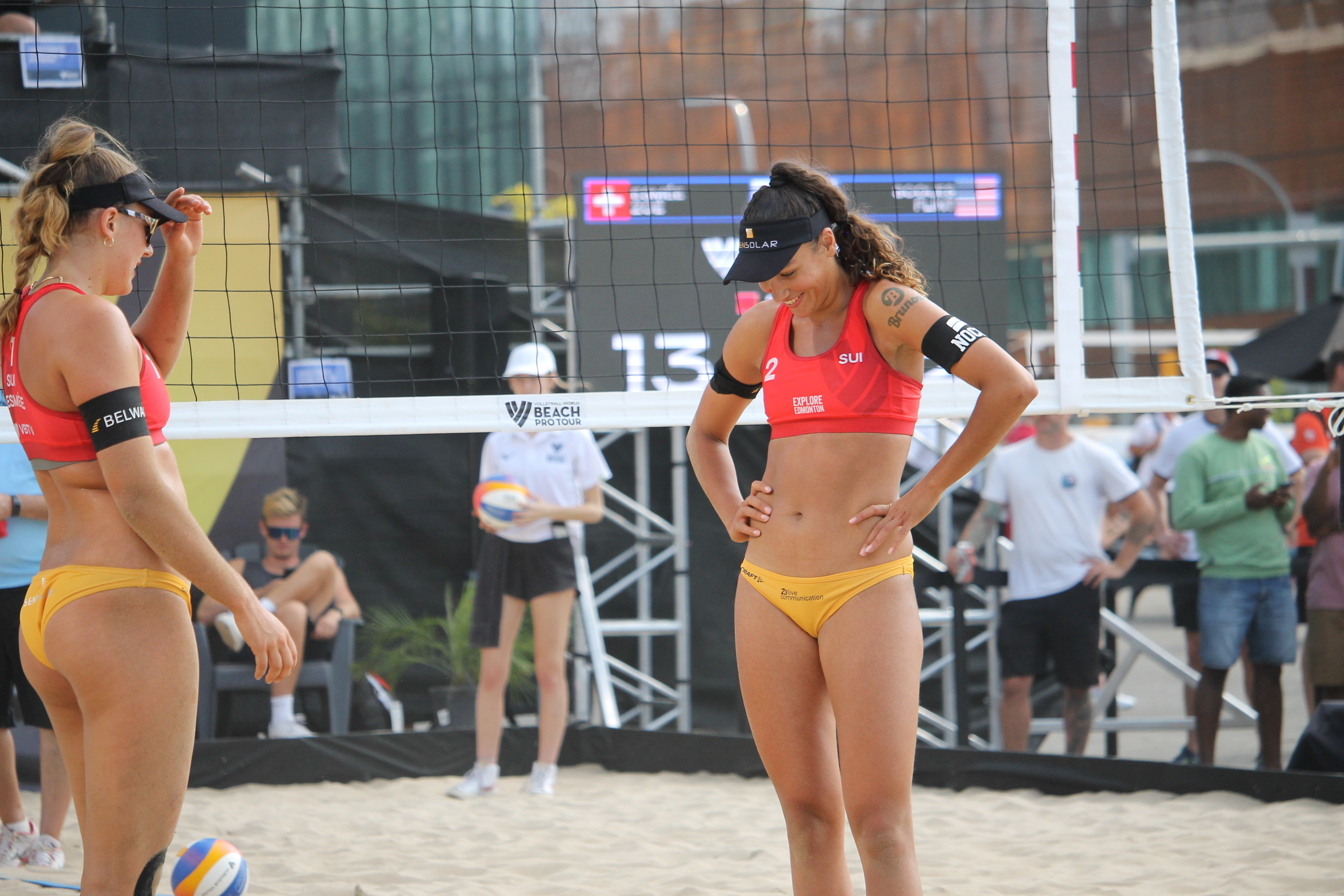
Being there in person in The Hague was different, even with a team still vying to succeed Brunner and Huberli as my team of choice when the latter eventually exit the scene. In Esmee and Zoe’s early days as partners, it was next to impossible to watch their matches in the domestic or lower-tier prove-your-worth tournaments that feed the top of the international game. You followed them much same way you followed a baseball team in the box scores back in the day. Gradually, you began to see them try and qualify, usually via feeds with a single stationary camera at the back of the court. Finally, along with seeing them in person in Edmonton and Montreal, they’ve become fixtures in the main draw and their matches are regularly part of the multi-camera, professional-production streams.

The Swiss played their group and early knockout matches in Apeldoorn, moving to The Hague for Saturday’s semifinals and final after a late night win against local favorites Stam and Schoon the previous night (which, in turn, followed a three-set Round of 16 match earlier Friday). They looked the part of a tired team in the semifinal. Germany’s Muller and Tillman were all over them from the outset. They were unforgiving on a tough passing day for Esmee, serving her exclusively. They also denied the Swiss, one of the most prolific serving teams, any aces. 

On the heels of a three-set semifinal thriller between Italy and Lithuania, the second semifinal lasted barely 40 minutes. The Germans prevailed 21-13, 21-16. Rarely have the Swiss ever looked as discombobulated and overmatched. From an American perspective, it was difficult to imagine how they would summon the passion to turn around three hours later and play another match for bronze. How much did it really matter?
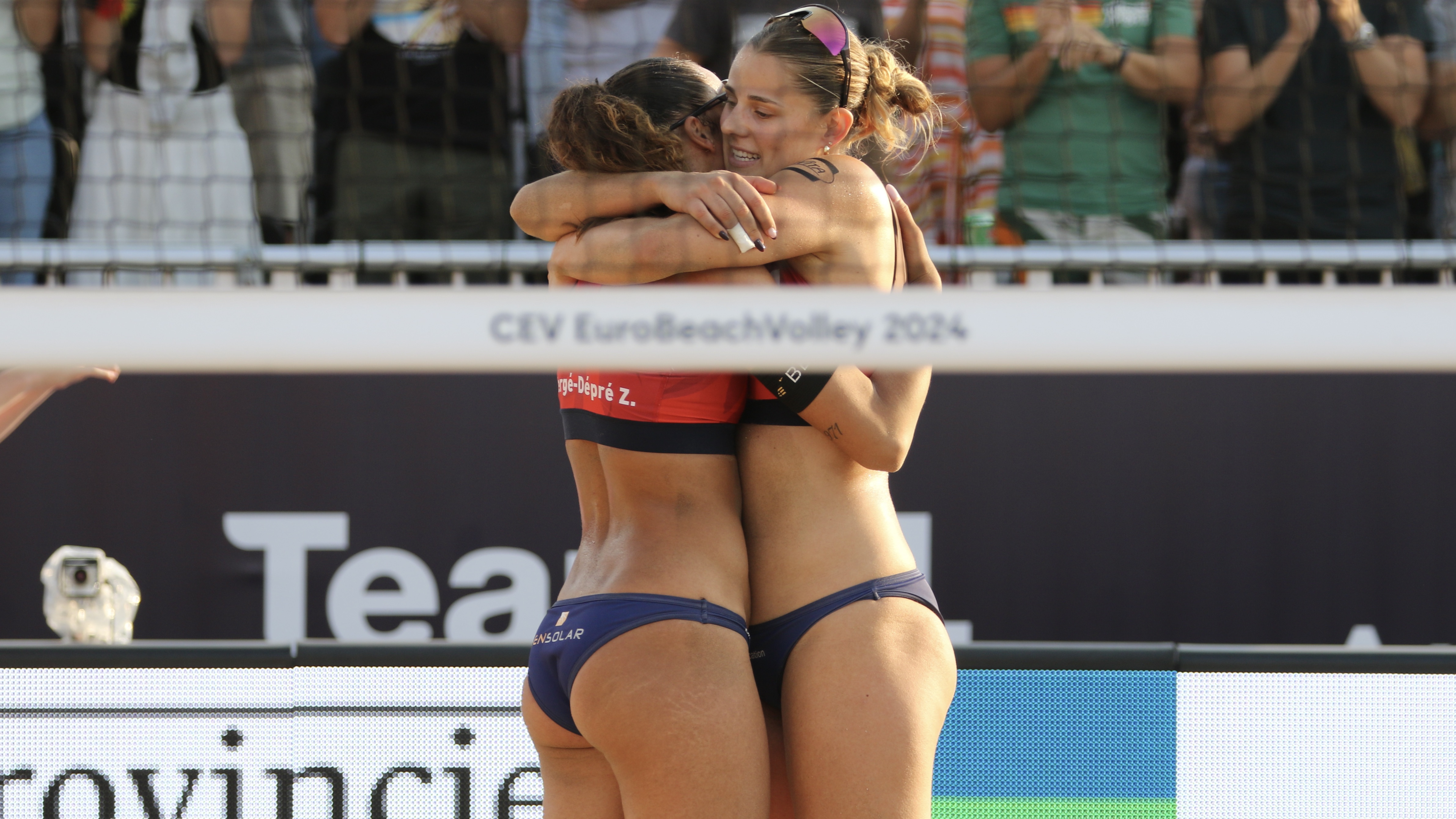
For almost the entirety of the first set of the that match for third place, they, too, appeared to struggle for motivation. Or at least, any improved cohesion. Following the German script, the Lithuanians served Bobner early and often, while the Swiss struggled to cope with 6-foot-5 blocker Aine Raupelyte. Trailing 20-18, Esmee and Zoe were on the brink of losing their third consecutive set of the day. They rolled off four consecutive points to steal the set, a Verge-Depre ace instrumental. As is often the case in a sport where psychology plays such a key role, and by attacking Raupelyte’s dwindling confidence with the serve, it was all Swiss after that. 

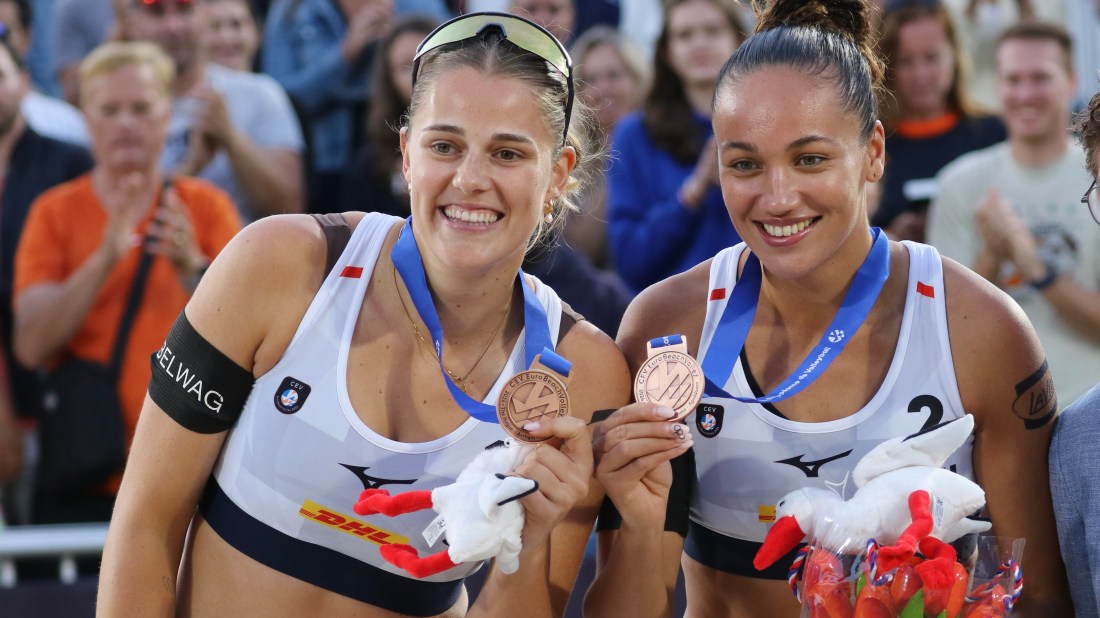
It wasn’t the result they wanted when the day began, to be third among the four remaining teams. But that’s also third out of 32 teams in the tournament. Third out of all the teams on the continent. Third after fourth place seemed inevitable late in the first set. Third after the emotional and physical exertion of reaching the Olympic quarterfinals a week earlier. Third after more than a year chasing Olympic qualification around the globe, in Zoe’s case going toe to toe with her older sister, Anouk, for the final Swiss spot in Paris. 
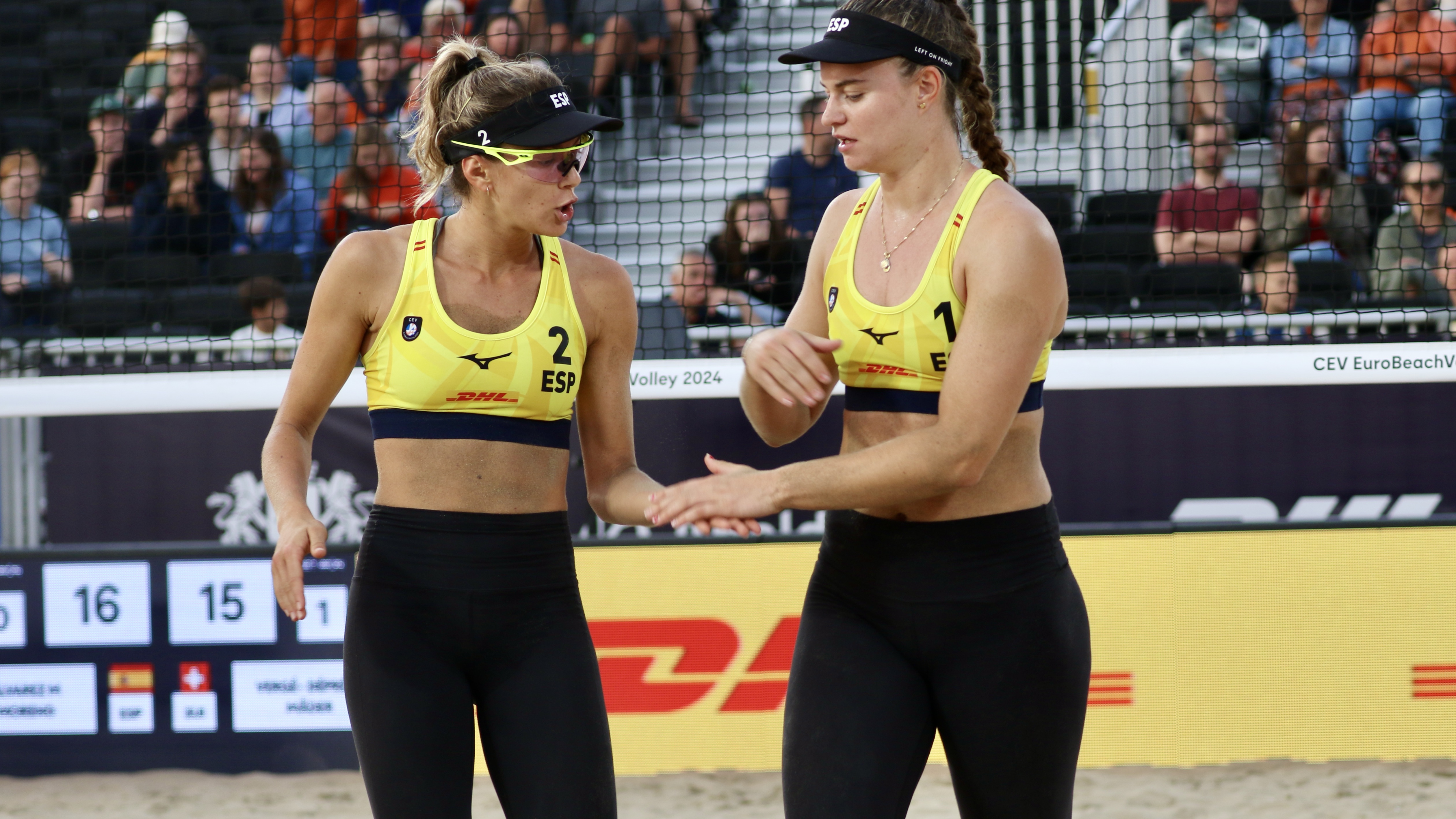
I wrote earlier in the tournament about the Spanish team of Daniela Alvarez and Tania Moreno and the not-insignificant challenge of learning how to come down from similar heights. The Swiss are similarly up and coming, but they have a couple of years on the Spanish pair. The German champions, so comprehensively impressive in the semifinal and final after a disappointing Olympics, have quite a few years on the Swiss. Everyone enters a tournament and takes the court to win. That’s the point of competing. But if you treat life or sport as a zero-sum game, in which one team winning means everyone else loses, you miss out on a lot.

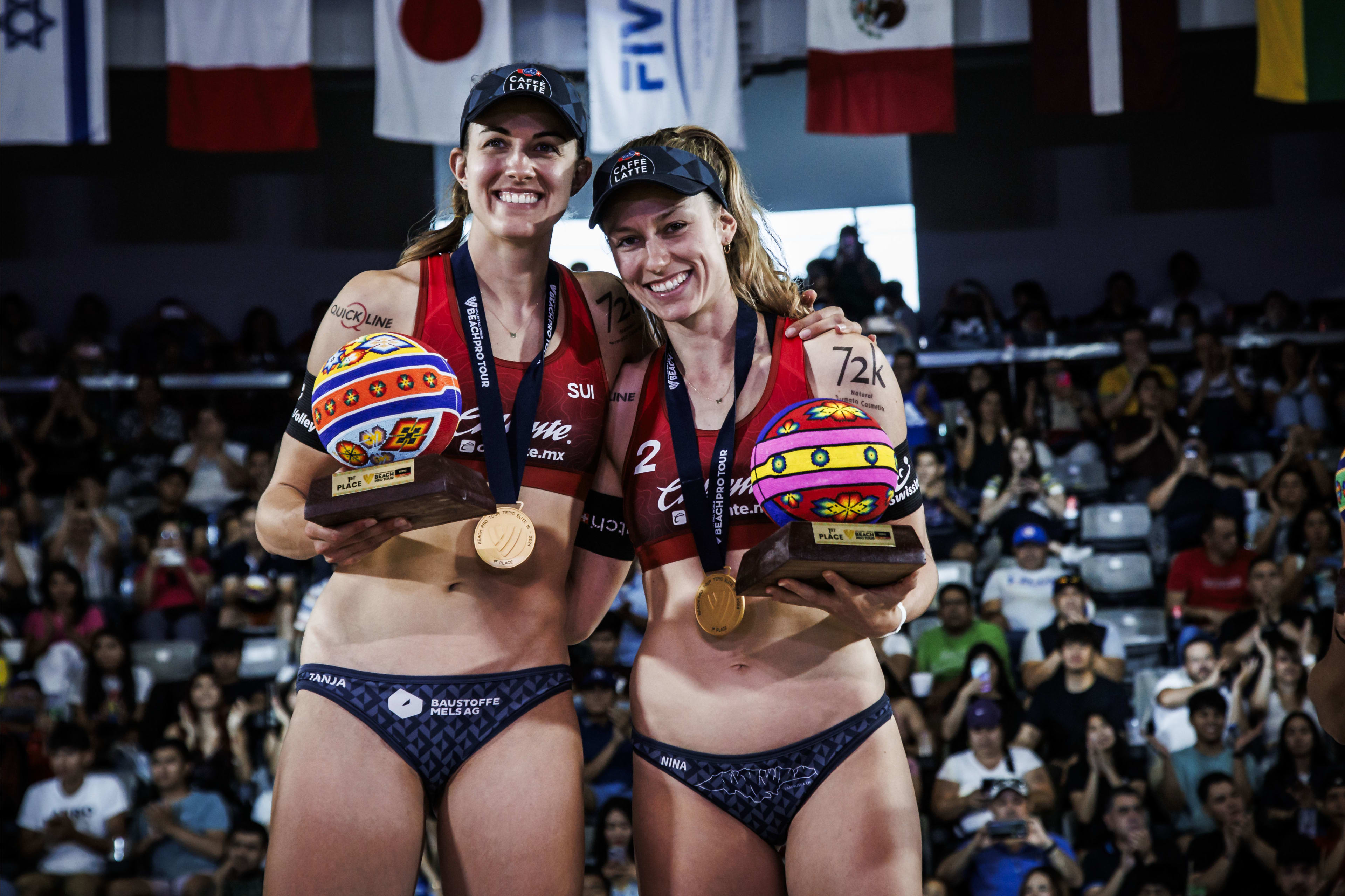
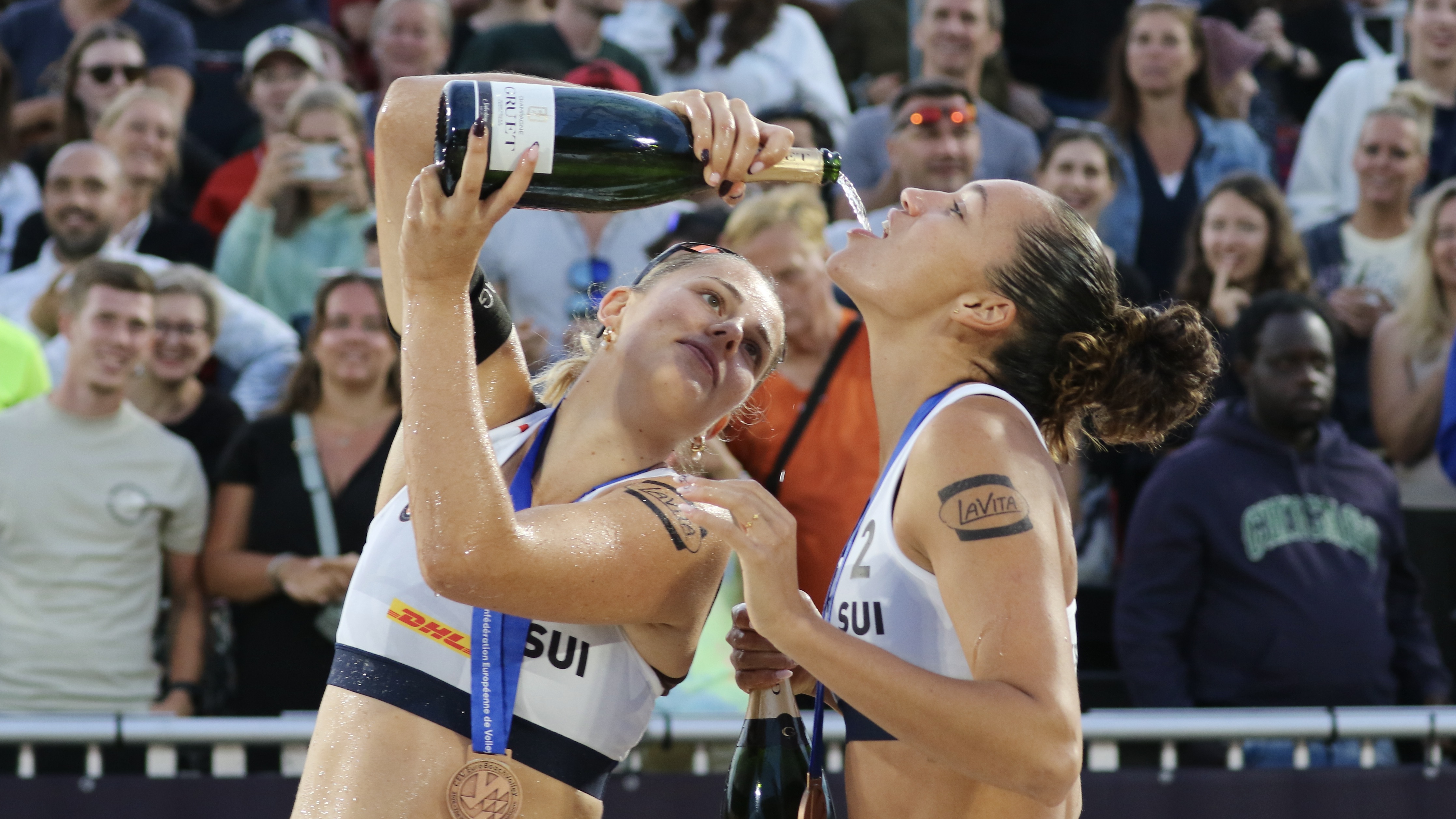
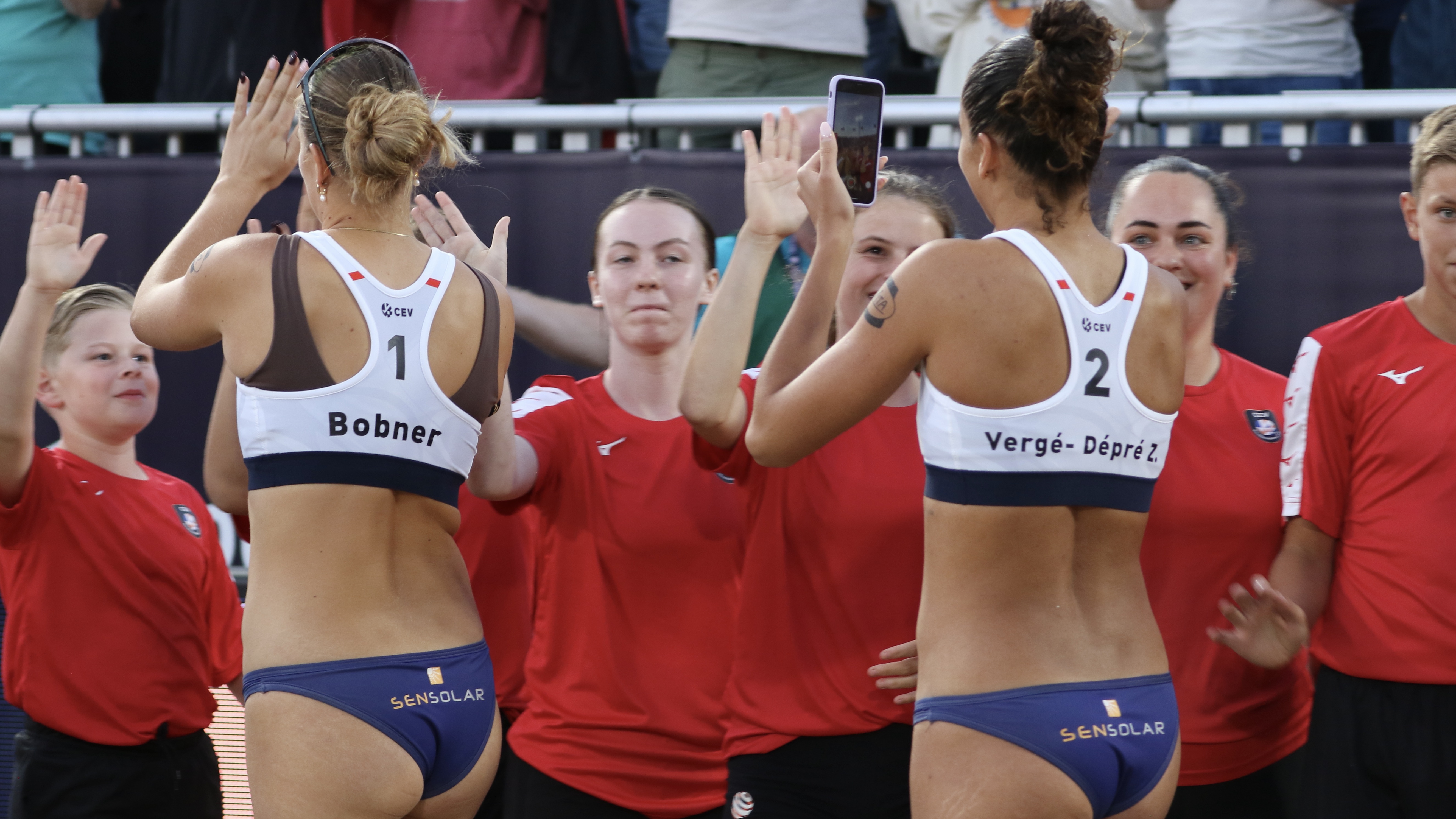
The hour that the Swiss had to wait for the medal ceremony didn’t diminish the emotion visible in the immediate aftermath of their victory—both on the court and hugging anyone and everyone in the Swiss traveling party near the mixed zone. Returning to the court for the ceremony following the gold medal game, Zoe carried her cell phone to capture everything from high-fiving the volunteer kids to the awarding of the medals. Esmee looked giddy, teaming with Italian silver medalist Valentina Gottardi in nearly crashing the first place podium prematurely to celebrate en masse, and first out of the blocks to spray champagne. 

Consolation carries a negative connotation in the language of sports. A consolation point or goal is too little too late. We use “small consolation” for something that makes no difference. Third place is a consolation place. But the word itself means comfort received after a disappointment. Consoling someone is an act of kindness. Earning your own consolation by winning the bronze medal match should be celebrated. 

Sometimes even with champagne. 

I can’t promise I’ll watch the third place match in the 2026 World Cup. It’s different when you have a rooting interest. It’s different when you’re there. Maybe it’s not necessary at Wimbledon or in the Champions League. Perhaps we live in an increasingly winner-take-all world (one more American gift). All I know is I’ve seen a lot of championships I didn’t enjoy as much and won’t remember as long as watching a team celebrate the bronze medal in Den Haag.
Coming Down the Mountain

THE HAGUE, Netherlands — The ascent is everything in sports. Athletes and teams rise to the occasion. They climb the mountain and scale the summit. Many of us just invested two weeks binge watching the phenomenon in its most concentrated form. From archery to volleyball, the Olympics are all about ascent—the four year journey to qualify and the handful of moments when, like Swedish pole vaulter Mondo Duplantis, someone literally soars to unmatched heights. 

The descent gets less attention. Not a decline or fall, mind you. There is as much drama in calamity as in greatness. People will watch a comeuppance with glee. They’ll shed tears over genuine misfortune. But for most athletes who ascend to some achievement or moment of excellence, the necessary descent is more mundane.

People write books about climbing Mt. Everest. What happens the day after they return home gets an afterword, at best. 

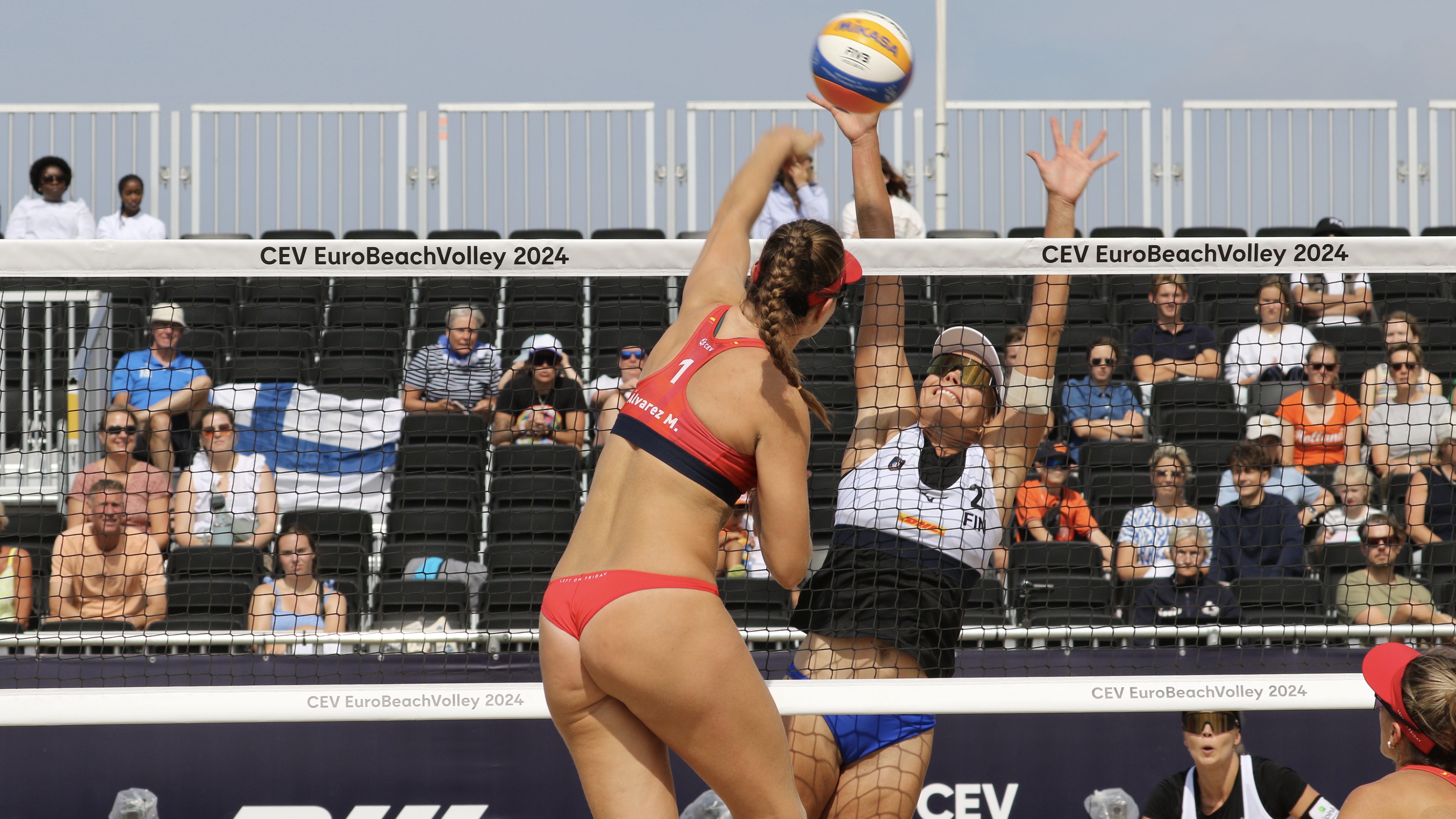
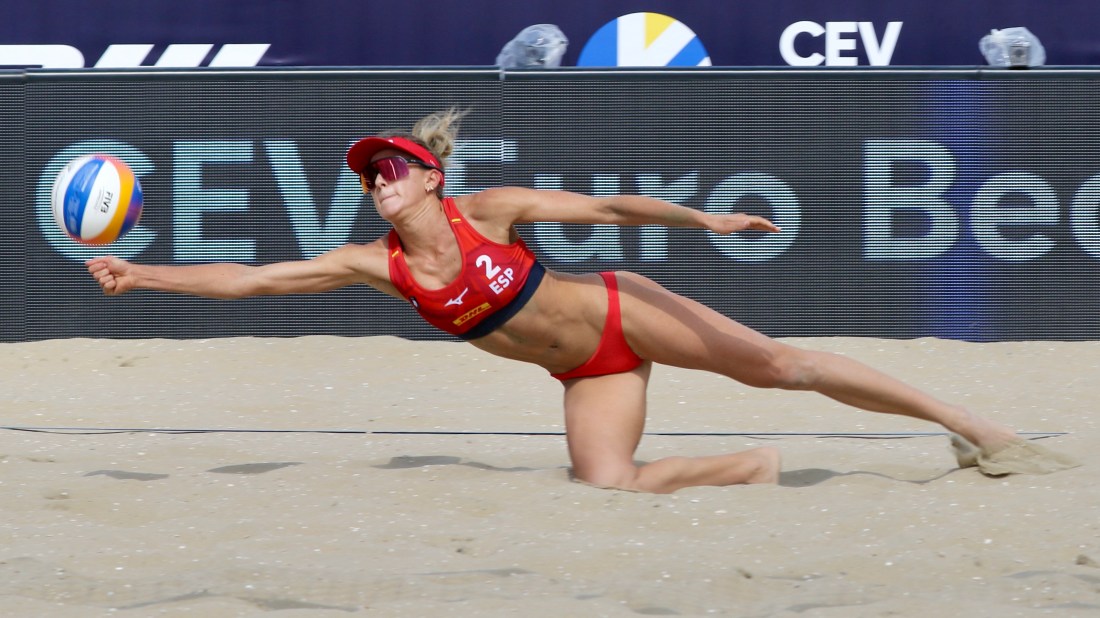
Thursday, the Spanish team of Daniela Alvarez and Tania Moreno exited the European Beach Volleyball Championships in a two-set loss against Finland in the Round of 24. The result was an upset, perhaps even of the stunning variety. Silver medalists in the same event a year ago and coming off a run to the Olympic quarterfinals, Spain was the fifth-best remaining seed in the field. Finland was seeded 29th. If that felt a little low for the familiar pro tour pairing of Niina Ahtiainen and Taru Lahti-Liukkonen, it wasn’t off by orders of magnitude. 

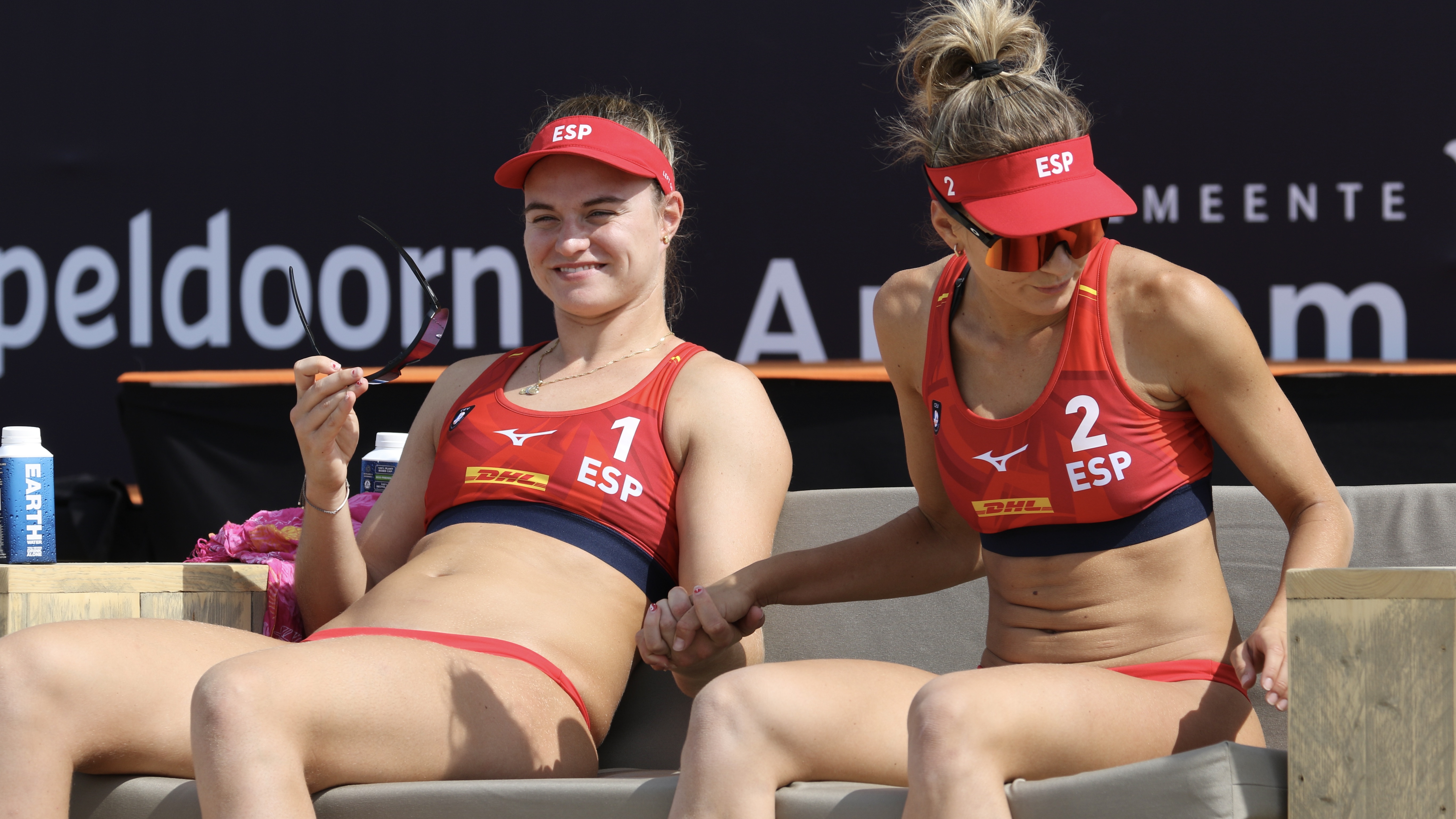
To those of us unapologetically rooting for the Spanish duo on the shores of the North Sea, perhaps muttering a quiet riff, ram, bah zoo under our breath to honor their TCU ties, it was quite a bummer. Even more so to Alvarez and Moreno, presumably. With two full days of the women’s tournament still to play in the Hague, the Spanish were cut adrift. 

This event was in some ways where Alvarez and Moreno announced themselves at the elite level of beach volleyball a year ago. In Vienna, they took out reigning champions Tina Graudina and Anastasija Samoilova in the quarterfinals and former Olympic bronze medalists Anouk Vergé-Dépré and Joana Mader in the semifinals, settling for second place only after losing in the final to Nina Brunner and Tanja Huberli. Each Spanish player barely 21, it was an audacious run. It marked them, in the language of ascent, as a team on the rise—and on the move. 

Taking a year off from NCAA beach volleyball to commit themselves to Olympic qualifying, Alvarez and Moreno proceeded to play in the following locales between the end of last year’s Euros and this year’s Olympics.

  • Hamburg, Germany
  • Paris, France
  • Tlaxcala, Mexico
  • Goa, India
  • Haikou, China
  • Chiang Mai, Thailand
  • Nuvali, Philippines 
  • Doha, Qatar
  • Recife, Brazil
  • Saquarema, Brazil
  • Guadalajara, Mexico
  • Tepic, Mexico
  • Xiamen, China
  • Espinho, Portugal
  • Gstaad, Switzerland
  • Vienna Austria 

And that’s with a couple of months offseason. 

Add it up and even without any trips to Fort Worth, they probably spent about as many hours in the air over those 12 months than most people commit to exercise in a given year. The longest trips provided some of the most memorable moments—and valuable points. In almost unbearable heat and humidity, they finished third in the event in India (despite losing to a certain pair of Finns along the way). They reached the quarterfinals in Thailand four weeks later and finished second in the Philippines at the beginning of December.  

By the turn of the year, their Olympic resume was in pretty good shape, but they kept up with the relentless pre-Olympic schedule. In the span of 55 days in March and April, they played in Qatar, back-to-back events in Brazil, back-to-back events in Mexico and China. They had enough left to take the bronze in the last of those in Xiamen, their fourth medal in a world tour event (three in what would now be the Elite 16/Challenge levels). 

And after losing their Olympic opener rather comprehensively to former Euro foes and eventual Paris medalists Brunner and Huberli, the Spanish team rolled off three wins in a row, beating one of the home teams from France, German former gold medal winner Laura Ludwig and pre-tournament top contenders Raisa Schoon and Katja Stam. 

Alvarez gives up an inch or two to many of her counterparts at the net. She makes up for it by embodying the athletic persona of a crafty lefty. Physical and athletic enough to get her share of blocks, she also has a pool shark’s sense of angles, dropping off the net as much as almost any blocker and playing a variety of shots. Off the court, Moreno, too, isn’t likely to stand out in the land of giants that is a beach volleyball tournament. It’s a different matter on the court, where there may not be a better inch-for-inch athlete and she utilizes a second-generation beach volleyball brain to see the future. 

They are an ideal team to adopt. Young and unimposing enough from a country with mixed results in the women’s game to be underdogs of sorts. Talented enough, with their transatlantic training, to need neither fairytales nor favors to compete with anyone.

Arriving in the Netherlands, it was easy to be optimistic—it’s always easy for those watching from afar. Three years ago, after an Olympic knockout exit, Brunner and Huberli won the European title the following week. With that Swiss team electing not to defend its more recent Euro title after an Olympic medal run, perhaps the door was open for Spanish duo to take the next step. Never mind the toll that the past couple of weeks, let alone the past 12 months, must have taken on weary bodies and exhausted emotions. 

They dropped the opening set of their first match, played against the third-best Spanish team on the venue’s breezy secondary court–a far cry from the shadow of the Eiffel Tower. They rallied to grind out a three-set win in the opener, then benefitted from a morning off with a walkover win against a German team dealing with illness. 

But with first place in the pool and a bye to the Round of 16 on the line, Alvarez and Moreno lost to Verge-Depre and Mader in two sets on center court Wednesday evening. That loss—their first in more than a month against a team that didn’t eventually medal in Paris—set up Thursday’s Round of 24 now-or-never clash against Finland. 

It wasn’t to be. Spain wasn’t bad. Alvarez and Moreno just weren’t quite themselves. Serves missed the line by inches. Alvarez couldn’t get the blocks to go down. Moreno got only a mouth full of sand for her diving dig attempts. In an otherwise back-and-forth affair, the Spanish lost something like 10 of 14 points across the end of the first set and beginning of the second set. When Moreno finally got a serve to drop onto the line in the second set, Ahtiainen somehow came up with a one-handed dig that promptly turned into a kill. The Spanish never went on a run.

As the crowd quickly turned its attention to the all-Dutch match that followed, the Spanish quickly packed up their belongings on the bench and exited. It marked just their second finish outside the top 16 in their last nine events. 

Fans of the Spanish, and I wasn’t the only one on hand, didn’t get to see the young team win its first major title. We still might have seen them begin to take the next step. 

For a year, beginning with last year’s Euros, Alvarez and Moreno committed themselves to the ascent. They traveled the world, exhausting themselves physically and mentally, in pursuit of an opportunity few ever earn. In coming within a win of playing for an Olympic medal, not to mention standing on other medal stands along the way, they thrived where the competitive air is thinnest. 

But no one gets to stay at the top. Well, maybe Ana Patricia and Duda have a time share. But even the Brazilian gold medalists are fallible. We celebrate athletic excellence as what people do in the biggest moments. It’s just as much about what you do next. 

When the adrenaline of a yearlong or seasonlong quest fades. When the world’s attention gradually drifts away. When you reach your goal or come closer than you ever imagined. 

To be great, you’ve first got to figure out a way to the top. You’ve also got to be able to come back down. If only so that you can begin the next ascent.  

NCAA champions, assuming they return as anticipated for one more season at TCU? European redemption next summer? World champions next fall in Australia? The 2028 Olympics? The 2032 Olympics, when each will still barely be 30 years old? There are plenty of mountains still to climb. 

It would have been fun to see a Spanish celebration in The Hague. Being there to see a down payment on future medals may yet make for a pretty good story. 

A Beach Volleyball House Divided

(Listen to this post)

Two sisters travel the world together. Raised in a volleyball family, the daughters of parents who competed internationally, they crisscross continents pursuing a shared lifelong passion.

That’s one sort of story.

Now tweak the wording ever so slightly. Two sisters follow each other around the world, each chasing a prize that can only come at the other’s expense.

That’s a very different story.

One of the most compelling Olympic competitions will be over by the time the world turns its attention to Paris this summer. When beach volleyball begins quite literally in the shadow of the Eiffel Tower, either Anouk Vergé-Dépré, 32, Zoe Vergé-Dépré, 26, will be in the sand representing Switzerland. But not both. With time running out, they continue circling the globe—from Brazil to Mexico to China and back to Brazil in recent weeks—in an effort to qualify at the other’s expense.

Against all odds, Switzerland is a beach volleyball superpower. I’ll go to my deathbed muttering that the hows and whys of this geographic oddity deserves a book of their own, but it’s indisputable. At least on the women’s side, after Brazil and the United States, Switzerland is as good as anyone. Three Swiss teams are ranked among the top 19 in the world. And that’s the problem for the Vergé-Dépré clan. Each country is limited to a maximum of two teams in the Olympics. It doesn’t matter how good you are. If you’re third in your country, you miss out.

Reigning European champions Nina Brunner and Tanja Huberli are the top-ranked Swiss team and have amassed what is an almost insurmountable lead in qualifying. That leaves Anouk and partner Joana Mader, bronze medalists in the delayed 2020 Olympics, competing against Zoe and partner Esmée Bobner for the other Olympic berth.

Sister against sister. It wasn’t always so.

I had the opportunity to sit down with Anouk in 2018 while reporting a story on Kerri Walsh-Jennings’ new and ultimately short-lived domestic tour (since restyled as a futures tour for younger athletes). Mader was recovering from surgery that summer and fall, and needing high-level training, Anouk went to California to train and play with Walsh-Jennings in the debut event in San Jose.

Earlier that year, with her regular partner out, Anouk and Zoe played together in the European Championships. It was a lark. Zoe was only 20 at the time, still rising through junior competitions and minor tour stops—what are now the Futures events on the Volleyball World Beach Pro Tour. For Anouk, playing with Zoe even meant moving back to blocker, the role she played when she competed in the 2016 Olympics but which she largely gave up when she teamed with Mader in 2017.

Anouk described feeling lost as that summer began, so familiar with the routine of a volleyball life that she didn’t know how to process a calendar without competitions. But it’s entirely possible that all that followed, including an Olympic medal, owes some measure of debt to that year and the time it allowed for self-discovery. Among other things, exploring her family’s Caribbean connections, she went to Cuba to take dance lessons for two weeks. And she played in the Euros with her sister, not for career advancement or even really a title. Just to enjoy the game with someone she loved.

“It opened up a lot of very unique opportunities,” Anouk said of he year. “To play with my sister, it’s something I never imagined would happen so early. It was so fun because you know the person so well off the court and now you’re standing on court with her. So we had a lot of fun. We had good humor on court.”

Jump ahead to more recent times. Mader was again out of action entering 2023, meaning she not only had to regain rhythm and form upon returning but the team had to go through qualifying rounds for most of the major events. Only a limited number of spots in the main draw are reserved for teams at the top of the rankings. That, in turn, unlatched a door that Zoe and Esmée kicked wide open, emerging as one of the best young teams on the circuit. Instead of taking the torch from her older sister for the 2028 Olympics, Zoe was competing for 2024.

Bobner, left, and Zoe in Edmonton last year, where they reached the semifinals.

The sisters appear to go their own ways at competition sites. Cameras rarely catch one in the stands watching the other. When both teams were in Edmonton, I never spotted them pausing more than briefly to observe one another. They can’t afford to. With two matches a day in often hot conditions, every free minute is given over to recovery, rest, eating, treatment and scouting. They may well talk regularly throughout the events, who knows. But they carry themselves like everyone else, generally cordial competitors vying for the same real estate.

Sisters competing for the biggest prizes isn’t new, as tennis fans will be the first to point out. But at least Serena and Venus Williams had four potentially career- and legacy-defining competitions every year in the Grand Slams. And each was assured entry in the field.

For a beach volleyballer, winning a world championship or even the annual Tour Finals is a big deal, an achievement that demands the respect of your peers and the rest of the sport. But Anouk and Joana could win multiple world titles and still not receive the acclaim or opportunities that winning a single Olympic medal in 2021 afforded them.

In terms of how the world—and more specifically, your country—perceives you, the Olympics are everything.

Anouk, at the net, and Joana in Edmonton last year.

In Guadalajara, Mexico, the second week of April, Anouk and Joana came out flat in qualifying, couldn’t buy a break and thudded to a defeat without even making the main draw. That was damaging enough, but the misery only deepened when Zoe and Esmée went on a run and won the entire tournament—their first title in an event in one of the world tour’s top two tiers.

That was enough for Zoe and Esmée to leapfrog Anouk and Joana in the qualifying standings. Suddenly, the youngsters were in. The veterans were out.

From there, both teams traveled to Tepic, Mexico, for another event, then across the Pacific to Xiamen, China, an island a stone’s throw from Taiwan. All in successive weeks.

In Xiamen, Zoe and Esmée couldn’t get past the Round of 16—scuttling a potential quarterfinal against Anouk and Joana. The latter two nearly failed to capitalize. Trailing 11-6 in the third set to former Olympic champion Laura Ludwig and Louisa Lippmann, Anouk and Joana rallied for a remarkable 15-12 win. Another miraculous comeback against the Spanish (and TCU) duo of Tania Moreno and Daniela Alvarez earned a place the final and the accompanying points haul.

Even settling for the silver medal, Anouk and Joana made up significant ground on Zoe and Esmée. Enough, in fact, to move back ahead of the younger duo.

Currently, Anouk and Joana are 15th in the Olympic rankings with 7,440 points, while Zoe and Esmée are 17th with 7,360 points. (The young Spanish team that had Anouk and Joana on the ropes in Xiamen is sandwiched between them at No. 16.)

Zoe and Esmée in last year’s Elite 16 event in Montreal.

Now, it’s back to South America for this week’s Elite 16 tournament in Brasilia. At the top tier event, neither team is among the 12 guaranteed a place in the main draw. That list includes Brunner and Huberli, whose strong position meant they could comfortably skip Xiamen.

Jet lag, physical and mental fatigue notwithstanding, Anouk and Zoe each needs to win twice in Wednesday’s qualifying to have any hope of improving her standing.

As Anouk said in an Instagram post, “yes unhealthy, expensive & unsustainable, but what can we do!?”

Olympics points are determined by a team’s best 12 finishes during the qualifying period. The top 17 in the rankings qualify automatically for Paris, as long as there aren’t two higher-ranked teams from your country (again, the Swiss conundrum—although the races for Canada and Germany, in particular, are similarly unsettled, with Zoe and Esmée playing their first qualifier against similarly desperate Canadians Sarah Pavan and Molly McBain).

All of this comes to an end in early June. After Brasilia and two weeks off, teams have three more opportunities at events in Portugal, Poland and, finally, the Elite 16 in Ostrava, Czechia.

After circling the globe for more than a year, one sister will come up 800 miles short of Paris and a lifelong dream. The other will have the opportunity of a lifetime under the Eiffel Tower.

Only in Paris, finally and perhaps bittersweetly, success for one sister won’t come at the expense of the other.

Update May 7: Sports are brilliant. And cruel. But mostly brilliant.

If you want a challenge, go to a travel booking site like Orbitz and search flight options from Xiamen to Brasilia. Zoe Vergé-Dépré and Esmée Bobner apparently made the trek in under 30 hours, according to VBTV announcers. I never did find an itinerary under 40 hours (connecting through Amsterdam or Madrid and Sao Paulo), so clearly, my travel agent skills have lapsed.

After completing that trip, the final leg of a three-week Mexico-China-Brazil odyssey, Zoe and Esmée put together the week of their young volleyball careers. The week that may well lead them to the Olympics. Playing nine matches in five days, the youngest of the top Swiss teams won bronze medals in Brasilia. Two weeks after winning their first big tournament at the Challenge event in Guadalajara, they again made it to the podium—this time at the highest level of competition outside of the World Championships, Olympics or Tour Finals.

So, once again, ownership of the all-important second Swiss place in the Olympic rankings will change hands. Maybe for good this time.

Anouk and Zoe each won their opening qualifying matches on May 1. But with the Swiss teams playing their next qualifiers one after another on adjacent courts, Zoe and Esmée advanced to the main draw while Anouk and Joana lost to Brazil’s Agatha and Rebecca (a qualifier in which three of the four players were former Olympic medalists and all played in the 2020 Olympics).

Advantage Zoe and Esmée. But they were just getting started.

After losing their first match in pool play, they beat Germany’s Laura Ludwig and Louisa Lippmann 24-22 in the third set of their next match—a win they knew they likely needed to have any realistic chance of getting out of pool play.

They lost to Americans Taryn Kloth and Kristen Nuth in their final pool match, 23-25, 19-21, but they did enough to slip through as one of the last teams into the knockout round. The prize for advancing? The world’s No. 4 team: Canadians Melissa Humana-Paredes and Brandie Wilkerson.

The Swiss duo had yet to beat the Canadian team. Down 17-20 in the final set, that didn’t appear likely to change. Switzerland had to side out and then win back-to-back points on its serve, not exactly a common sequence in the best of times in an Elite 16 event. But that’s exactly what they did, Zoe putting away three balls on three consecutive points to pull level.

From there, fending off three more match points seemed easy by comparison. The Swiss took the second set 25-23 and went on to win the third set to advance.

Two more wins, in the quarterfinals against the same Brazilian team that eliminated Anouk and Joana, and in the bronze medal match against the Netherlands, earned a podium finish. More importantly, at the moment, it earned Zoe and Esmee enough points to take a lead of more than 400 points on Anouk and Joana.

In perhaps the biggest tournament of her life, Bobner had 29 aces. No one else in the field had more than 13. Zoe had 83 digs. No one else had more than 66.

Moment of a Lifetime

The moment is everything in sports. It’s their redeeming virtue.

It’s the tradeoff for the soap opera and scandal. It makes it worth putting up with the hot take industrial complex and overhyped snoozefests. Sports can still squeeze the past and future out of the picture and slow down a present that otherwise never seems to stick around very long.

We watch athletes try to remain in the moment, try to harness its energy. Every now and again, they find the sweet spot between the certainty of expectations—of what should happen—and the overwhelming realization of what might happen. Keep both at bay and that’s when remarkable things actually happen. In the moment.

Nina Brunner (photo courtesy Volleyball World).

Nina Brunner and Tanja Huberli first played together in an international pro event, the equivalent of the current Beach Pro Tour, in April 2016. Huberli was 23 years old and Brunner 20. They finished tied for 17th. Within little more than a year, they made it to the podium with a third-place finish at a major event in Porec, Croatia.

A few more third-place finishes followed, as well as a semifinal appearance in the 2019 World Championship. Over the past two years, they finished second in Elite 16 events—the highest level in current iteration of the pro tour—in Hamburg and Doha. They played in the delayed 2020 Olympics, narrowly missing out on the medal round. And, of course, they made history as the first Swiss women to win multiple European Championships, in 2021 and 2023 (nearly the first women’s team from any country to win three in a row, settling for silver in 2022).

But across eight years, 19 countries and nearly 100 events together, they never won a title on the international pro tour. Until Sunday in Tepic, Mexico, when they defeated the Dutch team of Katja Stam and Raisa Schoon, 21-14, 19-21, 19-17, to win the year’s second Elite 16 event.

For four days, the Swiss were brilliant. Huberli led the field in blocking. Brunner hit cut shots at impossible angles and reacted on defense as if everyone else was playing on a delay—never tipping her hand but somehow always just where the opposing player tried to hit. In six matches, they beat five of the eight teams seeded ahead of them. They didn’t lose a set until the final. And when it was over, the reaction said everything.

Match point in Tepic.

Entering the reckless speculation portion of this post, I’ve wondered quite a bit about whether or not the Paris Olympics might be the end of the road for one or even both of the partners.

They haven’t played much over the past year and half compared to many in their peer group. Granted, they haven’t needed to—in a three-way race for two Swiss Olympic spots, their success when they do play means they maintained a steady and largely untouchable lead throughout that time. They didn’t need to trek to Challenge events in India, the Philippines or, much to my chagrin, Edmonton. But Huberli has also visibly battled foot issues for some time—at least twice in Tepic, she had to stop mid-match and re-tape toes. It might be a manageable annoyance. Athletes manage plenty of them as years of competition take their toll. But maybe second only to bad backs, foot woes can rapidly degrade your entire quality of life.

On the other side of 30 years old, with two European Championships and two Olympics to her credit, would she really want to keep putting in hundreds of hours in the sand and leaving family and friends for volleyball’s arduous, expensive and nomadic lifestyle?

If not, would Brunner want to take on a new partner? On one hand, she’s in the prime of her athletic life and the peak of her talents. From afar, she appears driven to play the sport to a degree that would make it difficult to walk away. On the other hand, as something of a youth prodigy who won a junior world title at 16 years old, she’s already been doing this for more than a decade. Unless one of Anouk Vergé-Dépré or Joana Mader also retired after this year, splitting up that Swiss team, there’s no obvious new partner if Huberli leaves—not at the level to which Brunner is accustomed. Would she set her sights on LA 2028, when she would be 32? Beach volleyball produces some impressively long careers, but it’s not as if it comes with the opportunity to accrue generational wealth.

Again, it’s all idle speculation. And as something of a pessimist, likely born of nothing more than me worrying my favorite team won’t be around forever. The way they’re playing right now, they would be among the top contenders to win any Elite 16 event they entered, along with World Championships and World Tour Finals, for at least the next two years. The Olympics are a big prize, but one quadrennial tournament doesn’t determine everything in a volleyball career. There are other goals to play for.

That’s a hyper-specific look at possible future scenarios in the careers of two Swiss volleyball players that most people haven’t heard of. It’s also an inherently universal theme. Not just in sports—where Bayer Leverkusen supporters, even amid current joy, must wonder how much time they have left with Xavi Alonso and Florian Wirtz—but life.

Future concerns always intrude on the present. For athletes. For the fans who watch them. What’s coming down the road? What if a company downsizes to please investors? What if a house’s plumbing needs replacing? And it’s not always about dread. Job opportunities, relationships, spending splurges, people stand at mini-crossroads every day, trying to figure out what awaits down one path over another. Living in the present feels like a luxury, almost irresponsible. But it’s where life happens.

The Swiss entered Tepic ranked ninth in the world (photo courtesy Volleyball World).

That’s where my mind went during the tense third set, thinking about these two individuals with so much history behind them, the same uncertain future that we all confront and, here, suddenly, the opportunity of a lifetime if they could just stay in the moment.

As mentioned, Brunner and Huberli didn’t drop a set in their first five matches. They were in control—in the zone, in sports parlance. And then the second set slipped away. The Swiss didn’t play all that poorly in the second set. Huberli’s serve got away from her a few too many times. Brunner’s seemingly unerring accuracy hitting shots down the seam suddenly erred. But mostly it was just a really good Dutch team rising to the occasion in the sort of back-and-forth set that turns on a couple of points—the normal run of things at the back end of a major tournament.

The Swiss took a 5-1 lead in the third set, forcing the Dutch to take their only timeout to regroup. And regroup they did. Schoon got to everything, Stam met Huberli at the net, and the lead slowly but methodically evaporated. In a race to 15 in the final set, the Netherlands took its first lead at 11-10 and again at 13-12. Had Huberli’s subsequent high line shot over Stam drifted a few inches wide instead of smacking off the line, the Dutch would have had two match points.

Instead, it was 13-13 and Betschart’s sensational defensive read and arcing high line shot on the next point gave Switzerland its first match point.

Match point after match point then came and went, the tension rising with each opportunity. The Dutch sided out again and again to prevent the Swiss from getting the two-point margin needed to claim the set. In turn, any slip when it was Brunner and Huberli’s turn to side out—and the Dutch allowed opponents to side out less than 40 percent of the time en route to the final—would have put them on the brink.

Finally, after two great digs from Betschart—time seemingly standing still as Huberli sprinted across the court to keep one of them alive—they found the winning point.

The Swiss stayed in the moment. And for an hour and change on a Sunday evening, I was right there with them. Past and future forgotten, savoring only the present.

Stranger in a familiar land: Biathlon and community in the Wasatch Back 

“Toooooo-lii Toooooo-mingas”

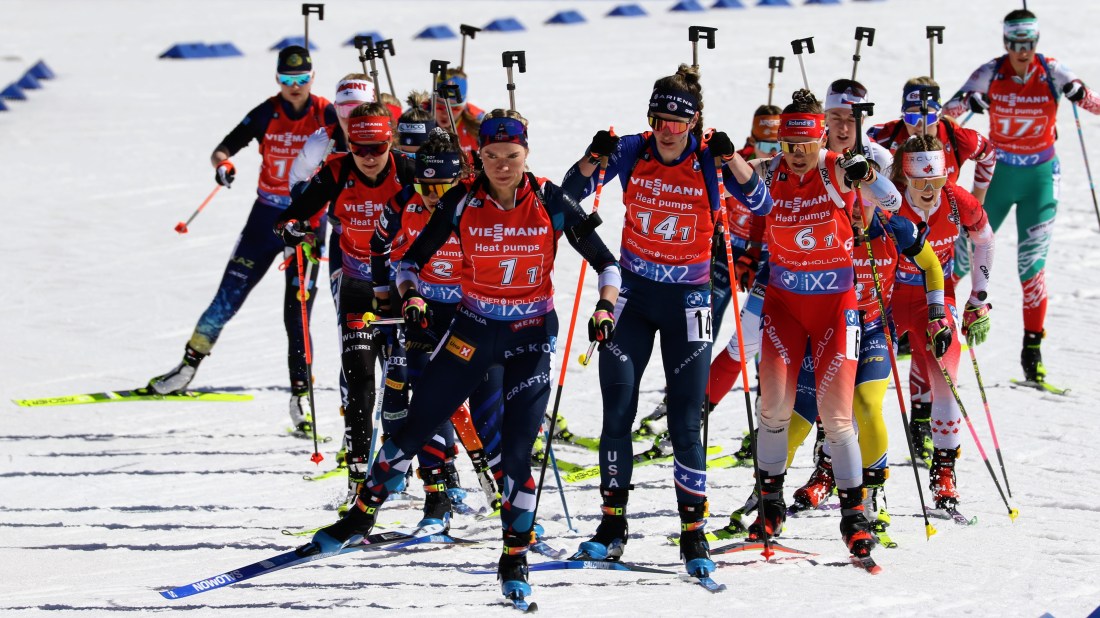
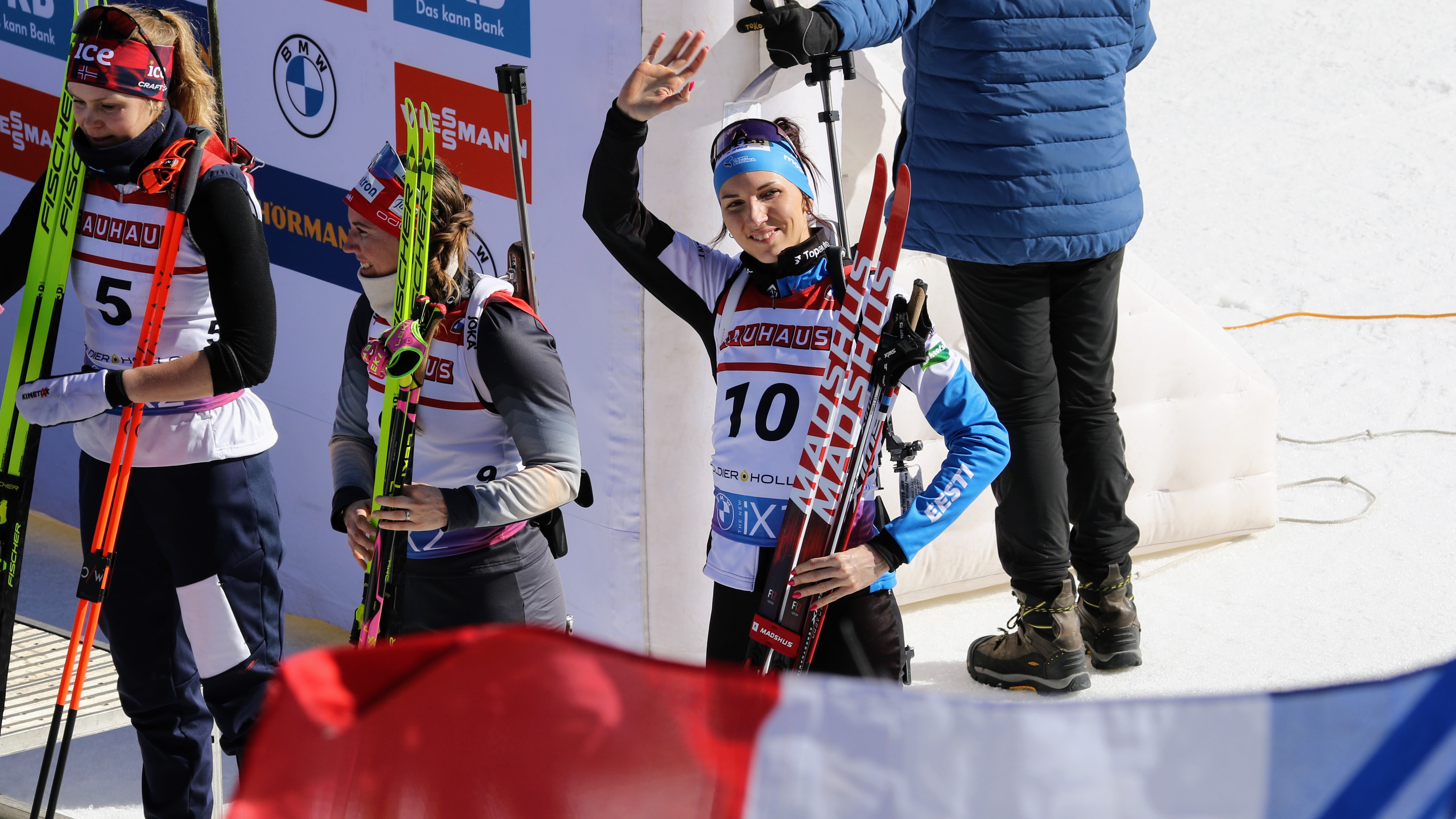
Tuuli Tomingas might have been the only person more surprised than I was to hear the delightfully alliterative vowels ring out in the Utah afternoon. The Estonian biathlete was several thousand miles away from home, after all, well away not just from her continent but the epicenter of her sport. The International Biathlon Union’s World Cup stop at Solider Hollow Nordic Center in Utah was an outlier. It was one of only two North American stops on a tour that is often exclusively contested in Europe, not infrequently in front of tens of thousands of flag-waving, cowbell-ringing, merrymaking fans. 

Skiing across the course at a leisurely pace toward the shooting range to warm up before her first race of the weekend, Tomingas appeared briefly taken aback to hear the unmistakably American-accented voice bellow her name. In the context of a sport at all its levels, not to mention the macro lens of human population, Tomingas is among the best who has ever lived at what she does. But in the reality of world-class biathlon, she’s just another name, good enough to finish in the top 20 but rarely the recipient of much camera time or a contender for the podium. Accorded a star’s greeting, even without a bib number or the distinctive Estonian colors visible under a warmup top, she waved hesitantly toward the stands. As if not expecting to feel at home here in the Wasatch Range foothills about 20 miles south of Park City. 

She wasn’t the only one. 

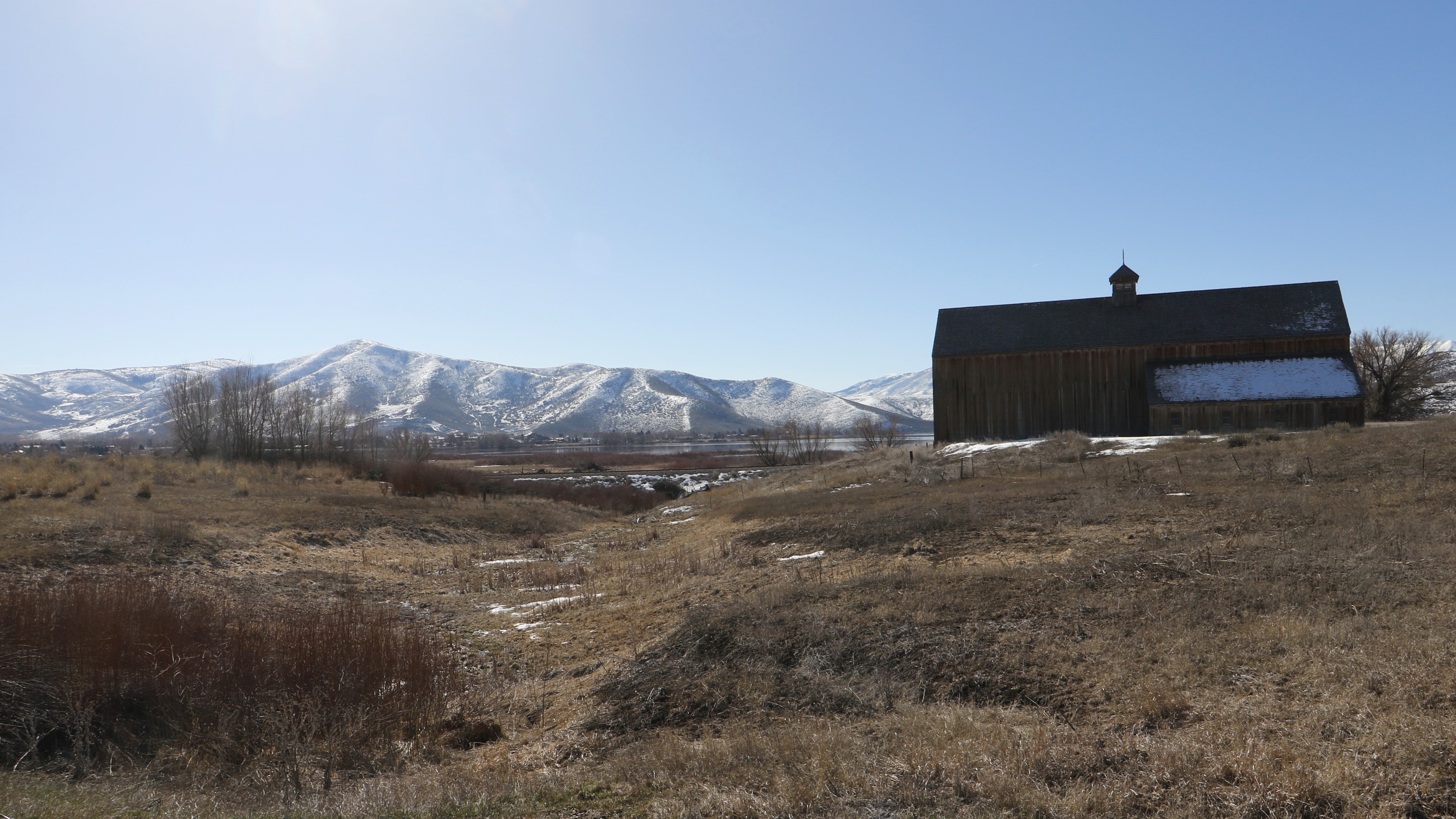
Near the Soldier Hollow Nordic Center in Midway, Utah.

As I’ve written here before, my relationship with biathlon grew from quadrennial curiosity during the Olympics to full-blown fanatic status about six years ago. Dig down and the timing probably isn’t a coincidence, rooted in foreboding about the winds of change with regard to ESPN’s mission and some sense of my own increasing lack of agency therein. I covered the sports I covered because they were passions, not as assignments or lines on a resume. So, when a job ends after a couple of decades, it’s difficult to disentangle professional from fan identity. I no longer really remembered how to enjoy an NWSL or NCAA basketball game as a fan. Watching now sometimes left me edgy. Fan muscles atrophy. Rehabbing them takes time. 

All of which is to say that biathlon, like beach volleyball, was a refuge. A sport I had previously been intrigued by but never (or rarely, in volleyball’s case) covered. Of course, the psychology of it all takes place separate from conscious thought. In real time, it’s just a familiar feeling that draws you in. It’s the routine of competitive sports. The event-to-event, week-to-week routine of a season. Learning the characters—first the names and skill sets, then the histories and personalities, finally the future possibilities. 

But without seeing it in person, at least once, there was something missing. I don’t need to be in a packed arena to watch a basketball game. Considering traffic, parking, tickets and the rest, I’d rather watch on television most of the time. But I know what it feels and sounds like in that arena. I know what the game looks like in person. Biathlon remained an entirely virtual viewing experience. I had a sense the Oberg sisters were tall (as it turns out, sort of) and Teraza Vobornikova was a pint-sized dynamo (confirmed), but it was all relative. What did they look like amongst other people? What happened on the course during all that time the cameras focused on the shooting range? How steep were the climbs, really? What did a ragged volley of two dozen .22 rifles sound like echoing off mountains? 

This year’s World Cup schedule featured a stop in Soldier Hollow, the first American stop since before the pandemic. And while some of the classic European stops, with packed stadiums and raucous atmospheres, had appeal as an adventure, Utah felt like a more manageable entry level effort. With only minimal equivocating, and likely without the necessary regard to the impracticalities of taking a long weekend in Utah in the middle of the busy season of two jobs, I decided to find out what it felt like in person and booked a flight to Salt Lake City.  

That others might make the same calculations never really crossed my mind. At home, I watch races alone—sometimes wondering if there is literally anyone else in the state of Indiana streaming a particular race from Ostersund, Sweden, or Ruhpolding, Germany. Even after parking, waiting in line for the gates to open and strolling around the course, I unconsciously assumed the people around me must be either locals willing to partake in anything that came to town, especially on a mild, sunny afternoon, or general winter outdoor enthusiasts, taking a break from their own skiing or snowshoeing endeavors. Anything but biathlon junkies.

Then the voice recognized Tomingas, no casual feat without a bib number and with the distinctive Estonian blue racing suit muted by warmup clothes. 

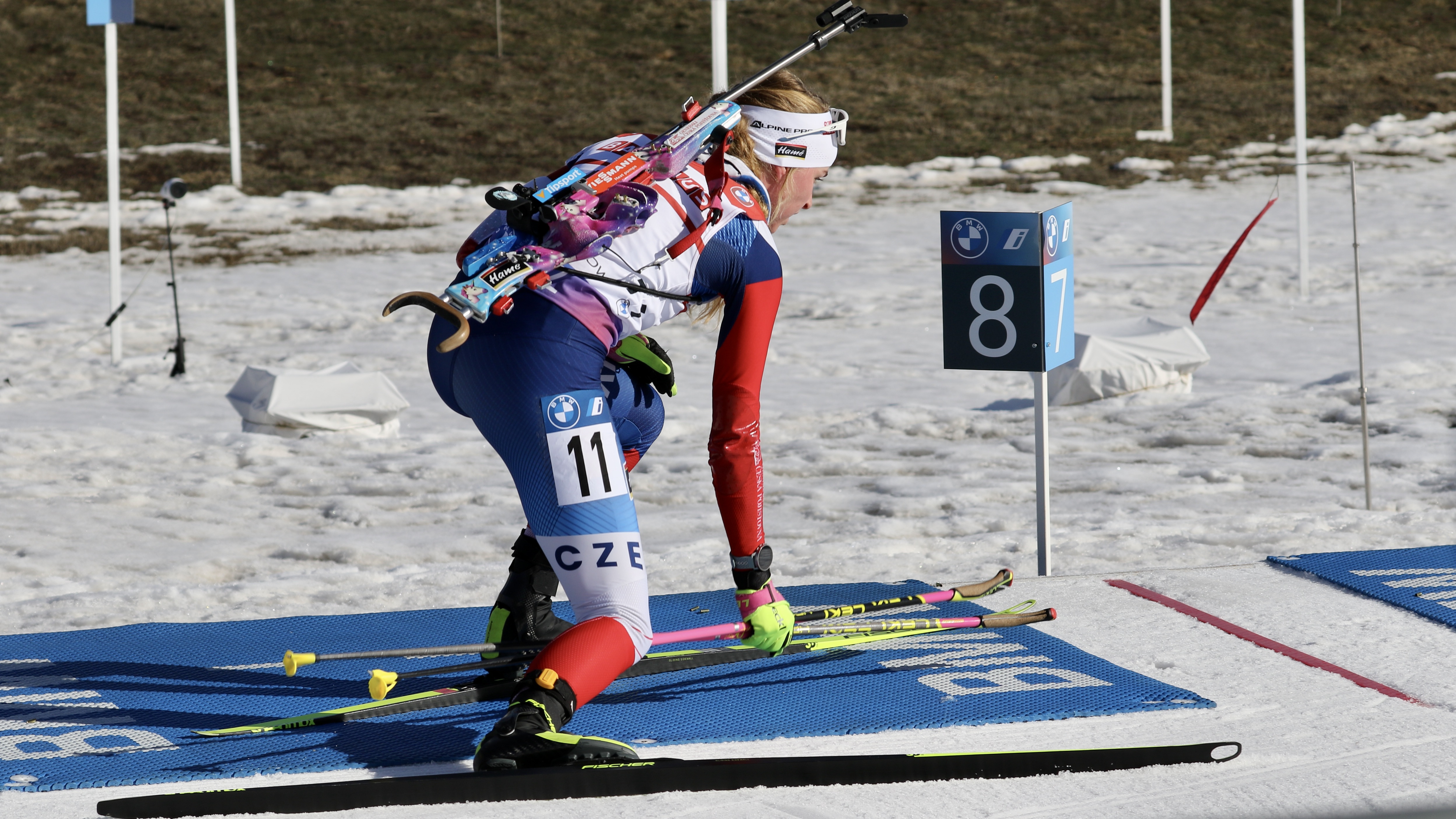
Then came the cheers for Switzerland’s Lena Hacki-Gross and France’s Lou Jeanmannot, the mellow, tattooed rising star who has brought such good vibes to the intense French camp. They welcomed the Czech Republic’s Marketa Davidova—even if they were too far away to recognize the soft-spoken amateur equestrian’s pink unicorn-decorated rifle (much like Nikola Jokic, it’s never entirely clear if Davidova is happier competing for world championships or spending time with her horses in the offseason). 

A few feet up the course from where I stood, a guy about my age and carrying an Italian flag started chatting with an elderly local. The flag-carrying 40-something was from Charlotte, not Cremona. He had started watching biathlon during the Olympics within the past decade and caught the bug. He talked about seeking out the Eurovision and IBU online streams, a routine I know well since NBC dropped the domestic broadcast rights after the 2022 Olympics. 

He talked about cheering for the Italians, most of all Lisa Vittozzi, partly born of following Vittozzi’s struggles with a career-threatening case of the yips. World-class biathletes routinely hit the target 90 percent of the time or better from the prone position, statistically the easier of the two shooting positions (while the target is smaller, laying prone lends more support to a body exhausted by the lap of skiing just completed). The fastest skiers, those who make the transition from cross-country, might be able to survive at 80 percent. During the worst of her yips, which lasted essentially a full season, Vittozzi would regularly miss three or four of the five targets from the prone position. It was painful to watch. 

Vittozzi’s prone shooting woes are a thing of the past.

A few years younger and long in the shadow of countrywoman Dorothea Wierer, who was not just a world champion but the tour’s glamour paragon and an endorsement magnet, Vittozzi was a promising talent who just needed a break. Instead, she appeared in danger of losing her career, not to Wierer or another competitor but the complexities of the brain.  

Not exactly overnight, and in all likelihood with a great deal of recalibrating routines, mental mechanisms and soul searching, Vittozzi emerged from her prone shooting woes. In fact, she’s enjoying the best season of her life. In Sunday’s pursuit, she would race France’s Lou Jeanmannot to the finish line, settling for second by inches. With one tour stop remaining after Utah, she remains in contention for the overall world title. And with Italy set to host the 2024 Olympics, when she will still be in her prime at 31 years old, she could be on the verge of the sort of storybook reversal that help make sports so enthralling. 

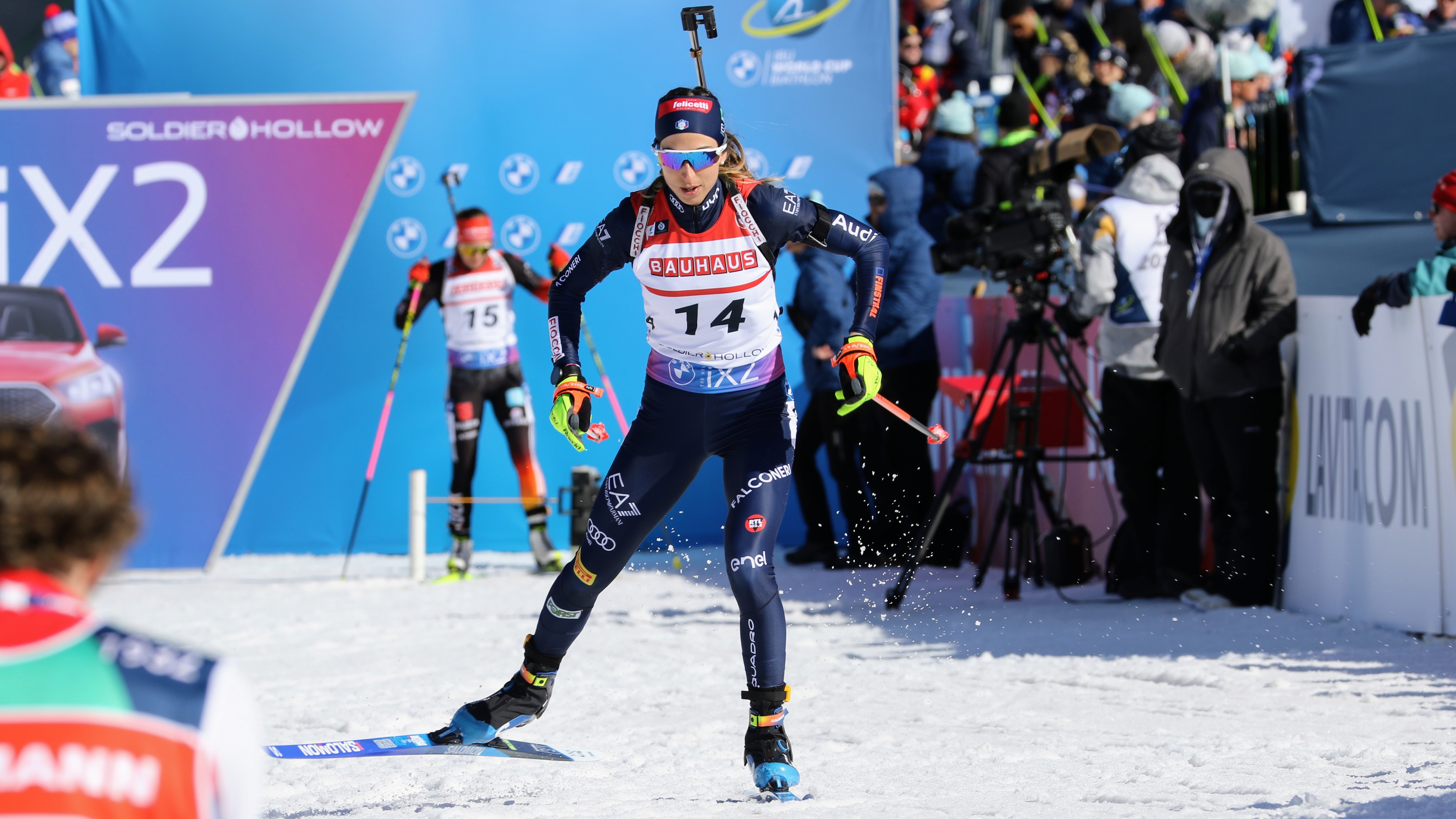
Skiing past on a warm-up lap before the 7.5 km sprint in which she narrowly missed the podium in a fourth-place finish, she, too, looked surprised to hear the fan with the deeply resonant voice bellow her name from the stands as others cheered. Next to me, my compatriot from Charlotte waved his Italian flag and added his encouragement.

Vittozzi finished fourth in the sprint and second in the pursuit, leaving Utah in second place in the World Cup overall standings.

My camera is something of my talisman, or maybe security blanket, at events. I enjoy photography. That isn’t to say I’m any good at it, or understand many of its subtleties, but I like the challenge of finding the right shot. Something with some artistry that also captures the athleticism and action of the moment. I like editing the photos and letting them run on a digital frame at home. But bringing it with me also goes back to the simple truth that I feel out of place without something to do. I don’t miss deadlines, even the slightly more malleable sort of online writing, but I feel at loose ends without something to do, without purpose. 

So, as the athletes continued to warm up for the sprint, I slipped away from the Italian fan to reclaim a good spot I had scouted during the men’s relay. Out beyond the temporary stands, with an open view of the starting gate for the women’s sprint, it felt like a grey area for access. Would I get moved along? But I wasn’t alone. As they had been during the earlier race, another middle-aged man was there with what their conversation made clear was his son—late elementary school age. My first guess was that one or both didn’t want to waste an afternoon of spring break here, hence the self-imposed isolation. First guesses are often wrong. 

Throughout the earlier men’s relay, the son had kept an eager eye for the Norwegians, currently on a streak of dominance akin to Oklahoma softball. In this race, one of the Norwegians would have as disastrous a performance on the range as it’s possible to have, leaving the team far back in the pack after one leg. They still ended up winning easily. They’re just that much better than everyone else (I enjoy the men’s side of the tour and following it more closely is one of many reasons I look forward to retirement). 

When the son made his way back toward the main body of the crowd at one point, I started talking to the dad. Previewing what became clear soon enough, he told me that as excited as his sons (the other son and their mother joined them for the women’s sprint) were about seeing the Norwegian men, the women’s race was the main attraction. 

Both sons had gotten swept up watching biathlon in the Olympics, infecting the dad in the process. The younger generation gravitated toward the women’s side of the tour, then and even more now the tour with greater parity and competition (and considering Germany’s Vanessa Voigt is more accurate on the range than anyone in the world, man or woman, arguably the greater excellence). For the sons, the day in Soldier Hollow was all about seeing Ingrid Landmark Tandrevold in person. A forgotten Tandrevold banner led to a momentary family crisis. And they greeted each sighting of “Tandy,” as they called her, the same way I reacted to seeing Eric Dickerson or Dominique Wilkins at their age. 

If casual American sports fan have any memory of Tandrevold it’s probably from images of her forcing herself, Zombie-like, to finish a race during the 2022 Olympics before collapsing at the finish line and requiring medical assistance. Collapsing at the finish line is par for the course in biathlon, where athletes push themselves to the physical limit. But the frightening scenes of Tandrevold forcing herself to continue after her body had shut down, followed by a collapse that brought fellow competitors rushing to her side were decidedly out of the norm. 

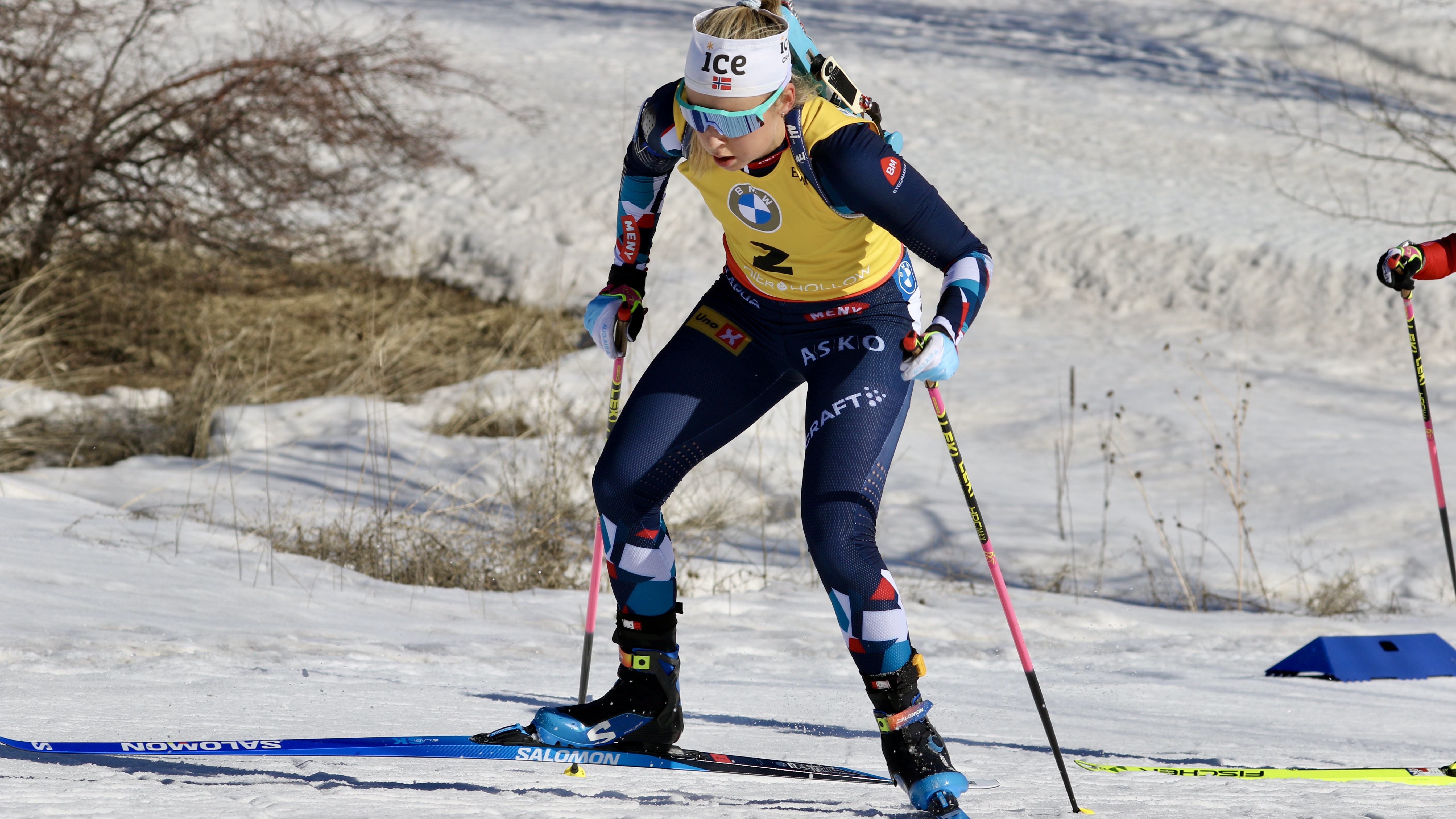
Wearing the yellow bib of the overall World Cup leader, Tandrevold makes her way uphill.

That she would be a favorite for kids is easy to understand. She is every sports narrative wrapped up in one person. She’s a smiling assassin, her charming social media vlogs and easygoing pre-race demeanor belying ruthless competitive instincts once the race begins. She is both Goliath, the No. 1 racer for Norway, and David, thrust into that No. 1 role after languishing as understudy to Tiril Eckhoff, her friend and mentor, and Marte Olsbu Roiseland, the all-time greats who both retired somewhat abruptly prior to this season. 

At 27, even as she enters next week’s season finale atop the World Cup standings, she’s trying to shake off the same sort of skepticism that greeted an athlete like Caroline Wozniacki when she ascended to No. 1—that she’s very good and very consistent but not truly great. Not as dazzling on the range as Julia Simon when the Frenchwoman is at her best, nor as elfin on the skis as Justine Braisaz-Boucher, another Frenchwoman. 

But to two kids from Utah, she was a god among mortals, every approach accompanied by “Here comes Tandy” as soon as she came into view far down the course and every shot on the range punctuated by leaps of joy or pained groans. She settled for second in the sprint, unable to match a dazzling skiing performance from Braisaz-Bouchet but progressing steadily toward the overall world title.

The next morning, after getting scolded by an IBU official for, as best I could discern, not looking sufficiently sophisticated to have access to the spectator portion of the shooting range, I set up shop behind the Czech and Italian encampments. Covering some portion of the final hour before the start of a race, “zeroing” is essentially range practice that allows the athletes a final opportunity to adjust their rifles to wind and atmospheric conditions. It’s only slightly more exciting than that sounds, like watching shootaround before a basketball game (not involving Steph Curry). But it is a good opportunity to take photos of shooters in action and observe interactions between teammates and coaches from a few feet away.  

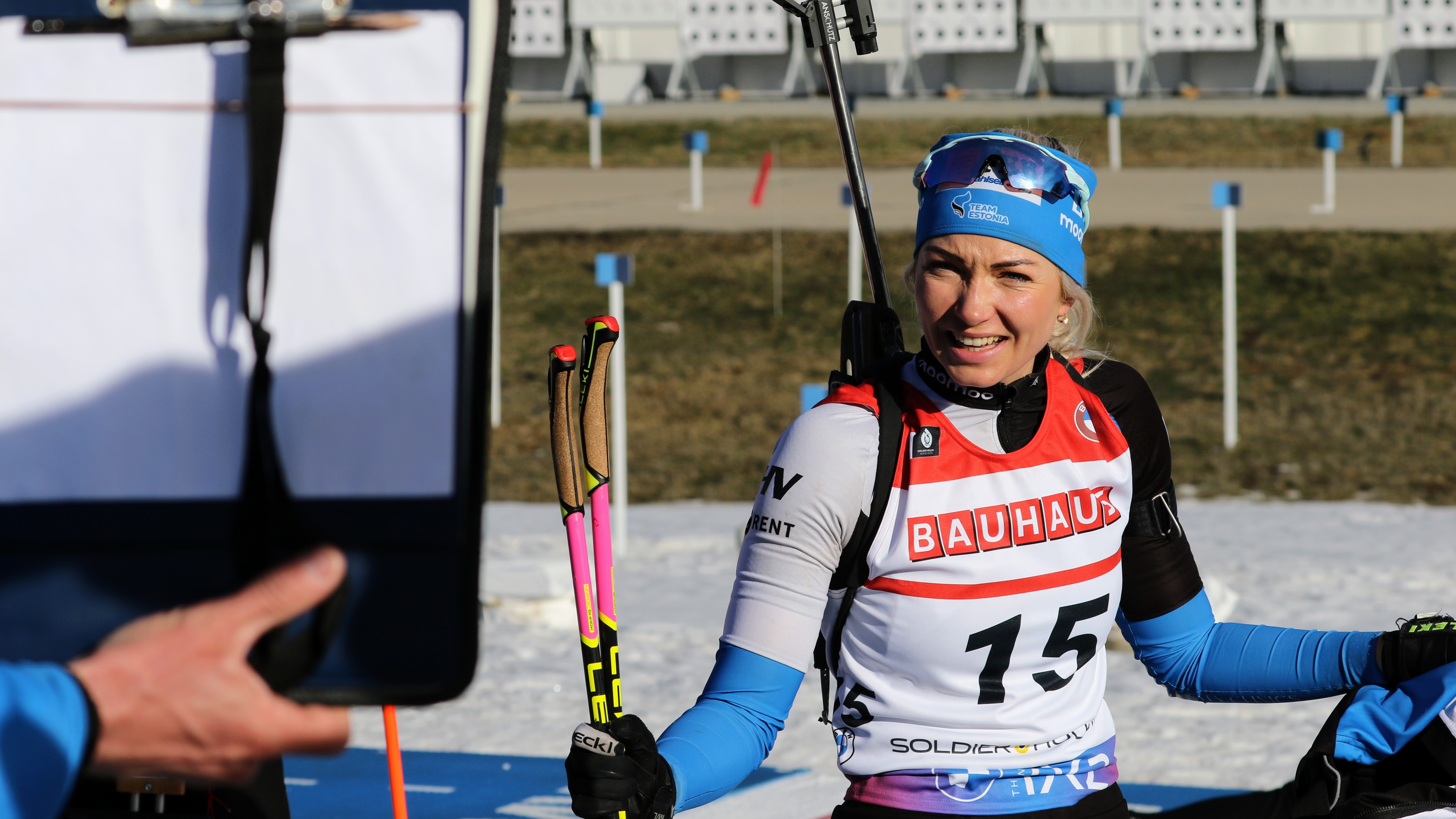
Estonia’s Regina Ermits studies a coach’s board showing her shots during zeroing.

While waiting for the whistle that announced the range was open, another fan with a camera (finally someone slightly older than me, welcome proof that this was still possible) claimed an empty space alongside me. Having missed Friday’s races, he was eager for information on the venue layout and photo opportunities. 

We got to chatting about biathlon—his son, now an adult, had competed in the sport growing up. I picked his brain about costs and entry barriers (not surprisingly, it’s not cheap, although perhaps more affordable than downhill skiing). At my urging, he attempted to impart some knowledge about the waxes used on the skis. I proved a poor student. 

He had driven down from Idaho, missing out on Friday’s races during the drive and begging for no spoilers when I started to mention how good Braisaz-Bouchet had been in winning the sprint despite missing one of her 10 shots (a difficult feat that requires supreme speed on the skis to make up the lost time). He was disappointed to learn the Italians hadn’t included Vittozzi on the start list for the second day’s women’s relay, resting her during the condensed three-day schedule. The clear takeaway from this trip: everyone roots for Vittozzi.

The final day’s early start time compounded by turning the clocks ahead the previous night, Sunday arrived with the same feeling I always had by the end of covering tournaments—that the real fun had been in the early rounds, settling the championship almost a matter of bookkeeping. But as was often the case, whether courtesy of Carli Lloyd, Arike Ogunbowale or Taryne Mowatt, the final act always has the potential to take on a life of its own. So it was, watching from the top of one of the major climbs as Vittozzi and Jeanmannot raced down the final straightaway in a rare sprint to the finish line.

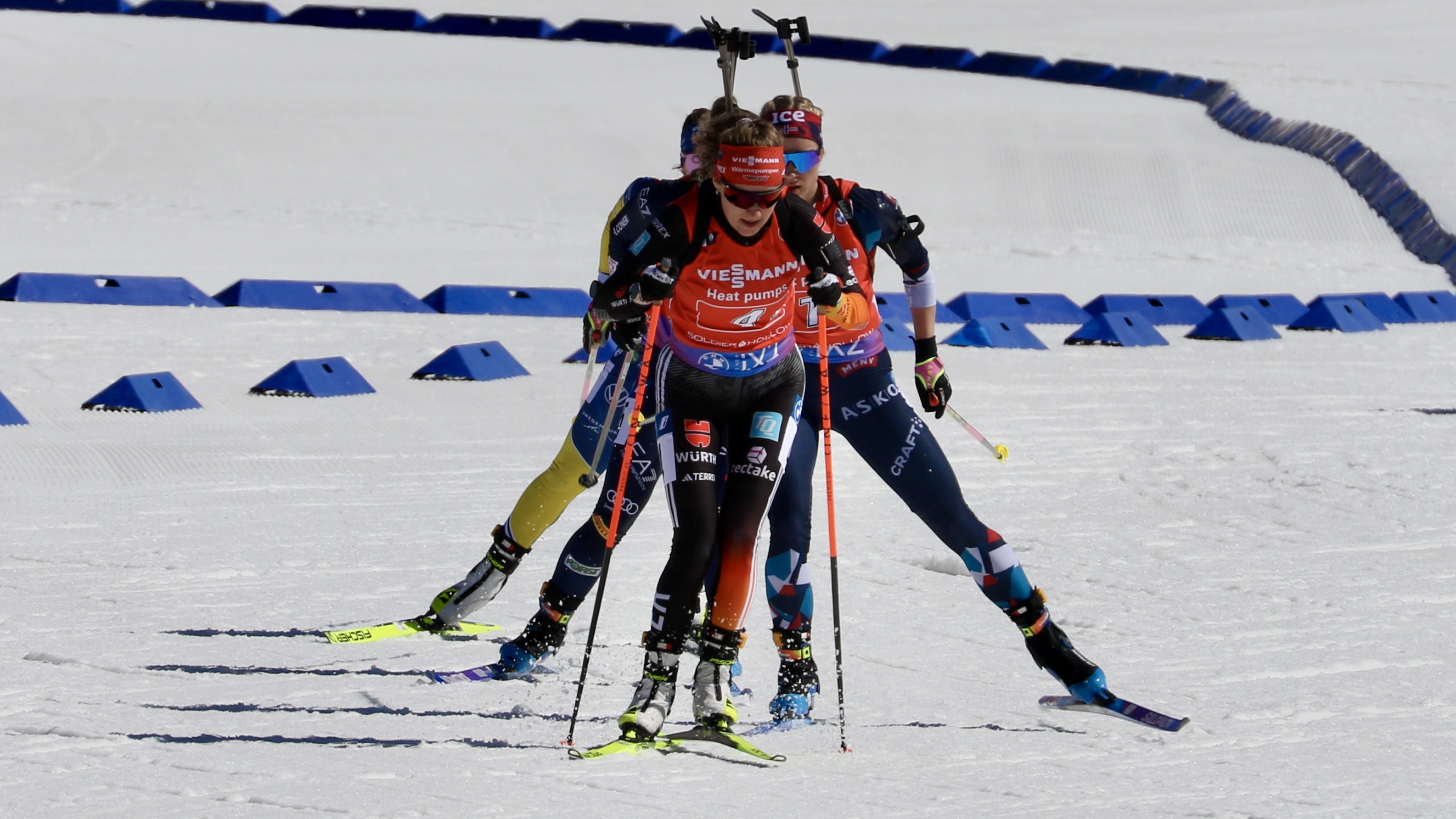
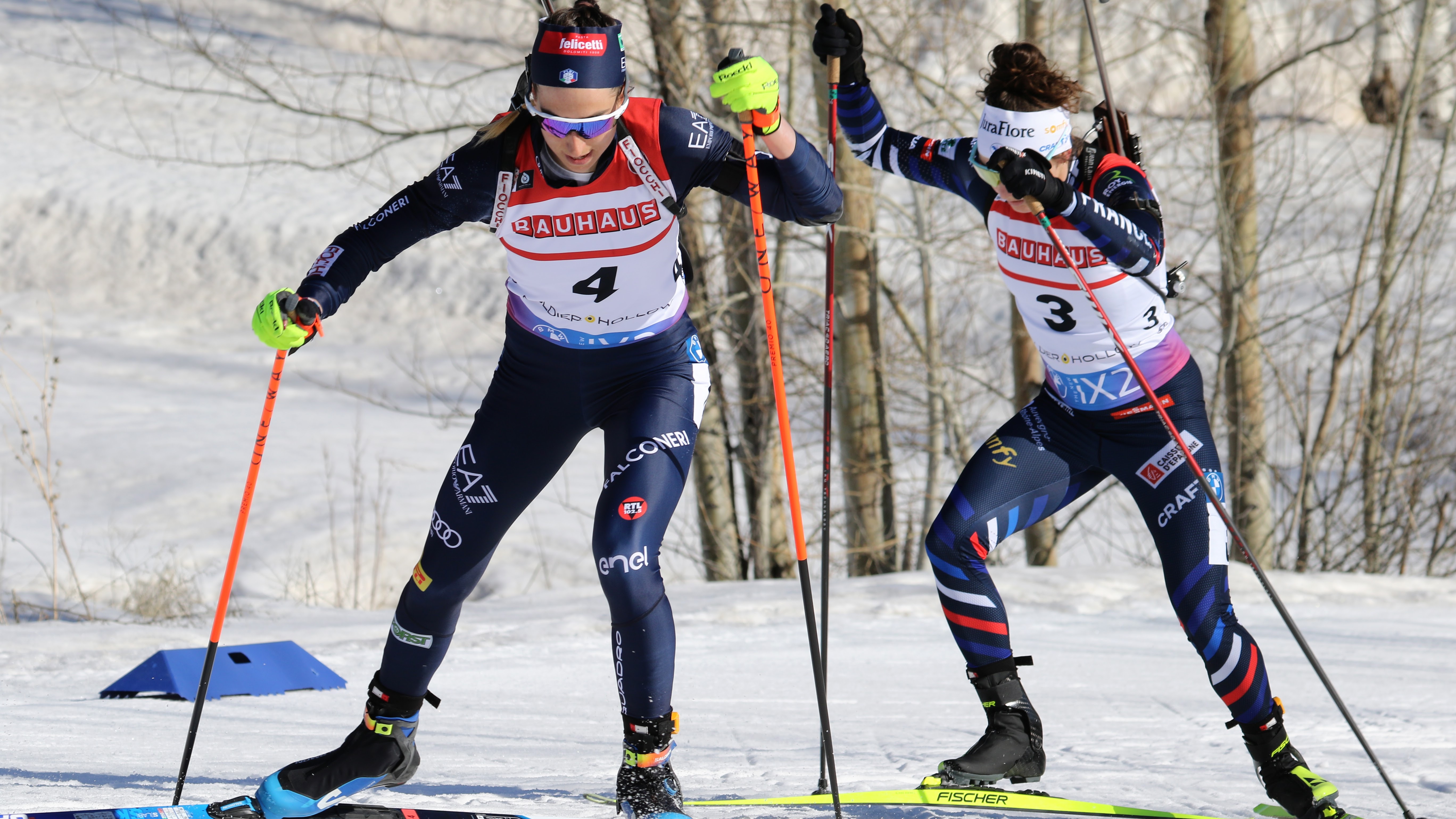
Vittozzi (4) and Jeanmannot (3) battle for first place on as ascent during the final lap of the pursuit.

Making my way back down to the center of things for the awards ceremony, I assumed that was where the story would end, Jeanmannot inching ahead to claim victory. Watching the stream, it would have ended there. But here, one more memory awaited. 

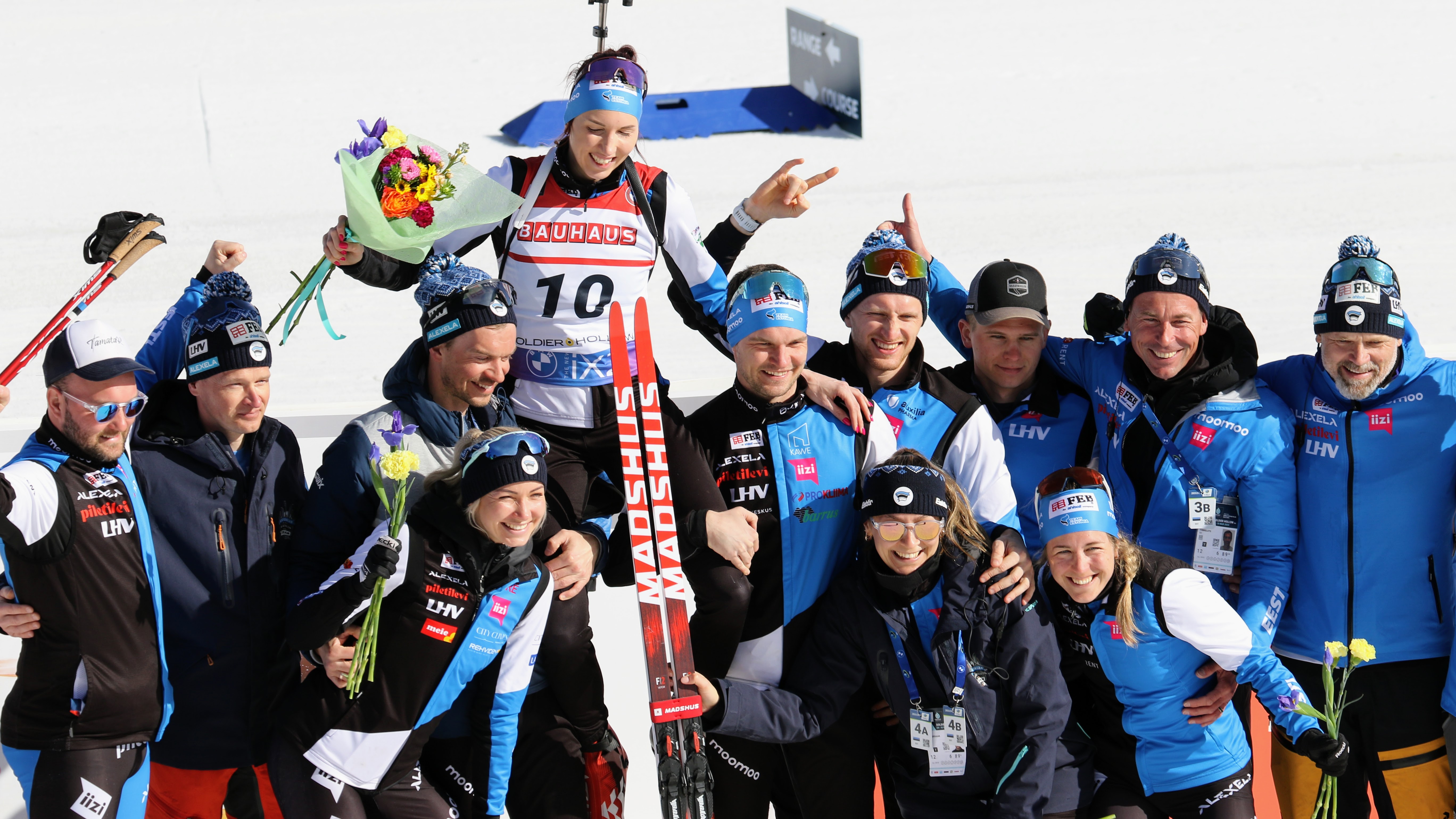
It would make for a good narrative if the rich, baritone voice that rang out from the other side of a post on the second-floor deck during the awards ceremony was the same voice I had heard Friday afternoon. It sounded familiar. Sadly, reporting ruins all the fun. The owner of the voice had not, in fact, been out on the course Friday. Still, it might have sounded familiar to someone else, too. As the awards ceremony wound to a close, the elongated vowels caught the attention of the day’s surprise sixth-place finisher (the top six are honored, three on the podium and three off). 

The tall figure looked up in search of the voice and waved, this time not surprised to hear it. 

“Toooooo-li” 

It didn’t matter that it was Utah. She was among people who understood.

What does sixth place mean? When it’s a career-best finish, it means an opportunity for Estonia to celebrate.