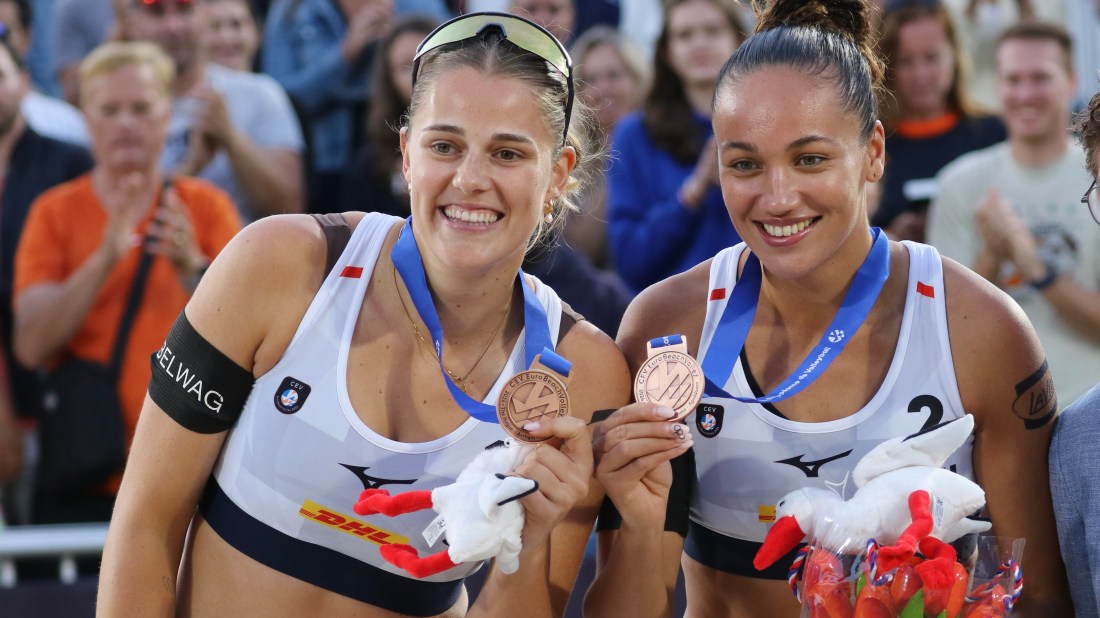
(Update August 23: Esmée Böbner’s surprising—stunning—announcement that she will retire after the upcoming Swiss Championships puts the scenes below in a new light. I think back on how she struggled with her passing in the first set of the bronze medal game and her ability to turn things around in the closing points of that set. All of it with the knowledge that it would be the last time she had a chance at the podium in an international setting. Maybe there is more to write, but for now, I’m rather sad the game won’t have her for another decade—and extremely grateful that I got to see her with a medal around her neck before she exited).
THE HAGUE, Netherlands — International beach volleyball doesn’t do participation trophies. Those who play it don’t inhabit a warm and cuddly, “everyone tried their best” environment. Competition for sponsors, funding, coaching, even fans can be downright Hobbesian, brutish and short.
Consider the Elite 16 events, the premier tournaments in the current iteration of the world tour. There are perhaps seven or eight a year. Only 12 teams are guaranteed places in the main field, mostly based on ranking (the host nation typically gets a courtesy place among the dozen). For everyone else, and the list of teams nominally entered usually runs into several dozen, the math is harsh. Pay your own way halfway around the world—anywhere from Doha, Qatar, to Montreal, Canada—for one day of qualifying. And not just one qualifying match. You have to win two to make the main event, 16 qualifiers whittled down to four for the main draw.
Not long ago, Austria’s Klinger sisters—frequently one of those teams trying to qualify for the Elite 16—offered an informative inside look on social media at how the costs add up.
All of which is preamble to the idea that, yes, the women and men on the third place podium at the end of tournaments deserve their place in the celebration.
Third place matches in any sport rarely held much interest for me. Nor am I alone. When I covered the 2007 Women’s World Cup in China, ESPN wanted me to fly home after the U.S. lost to Brazil in the semifinals (the infamous “Hope Solo speaks to CBC game” in Hangzhou). Never mind that changing the flight would have cost more than the additional nights of hotel (granted, this also says something about what the powers that be at ESPN.com thought of women’s sports at the time). I stayed, but I can’t claim that the U.S.-Norway game lingers in my memory.
At other World Cups and Olympics, the third place game was in a different location than the final. I never saw them in person. NCAA championships don’t bother with third-place games. That never struck me as odd. Now it feels like a missed opportunity.
America has a winner-take-all mentality in just about everything. We put it aside every couple of years for the Summer-Winter Olympic cycle, almost grudgingly valuing silver and bronze. But that’s easier to process in events in which everything is settled at once. Long jumpers don’t go back out and compete for bronze after missing out on gold. In team sports, watching teams play for third often felt anticlimactic. An afterthought.
After the past two weekends, particularly this past weekend’s European Beach Volleyball Championships in The Hague, consider me converted. And it’s the Swiss who convinced me to cast aside my third place neutrality.
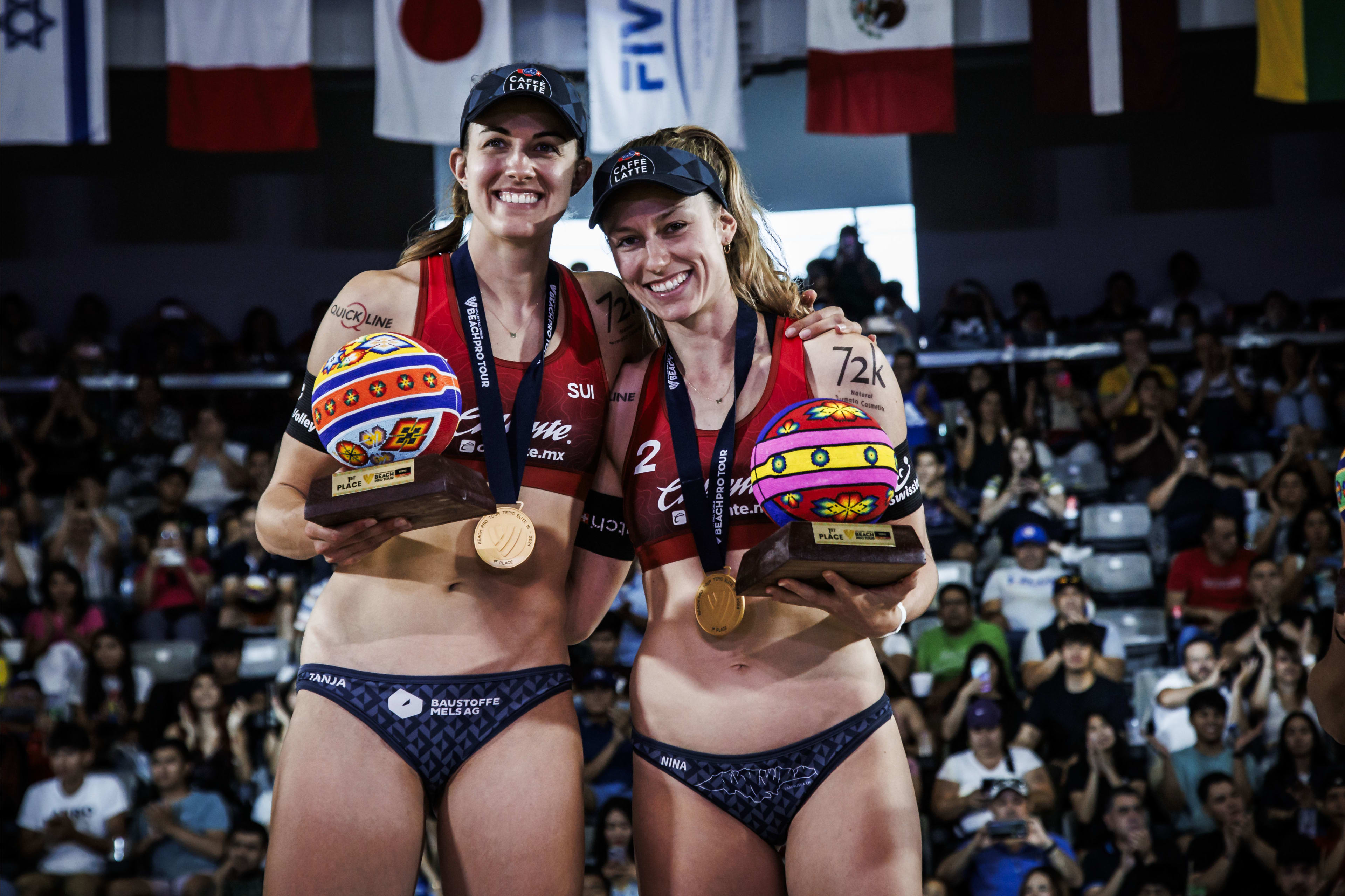
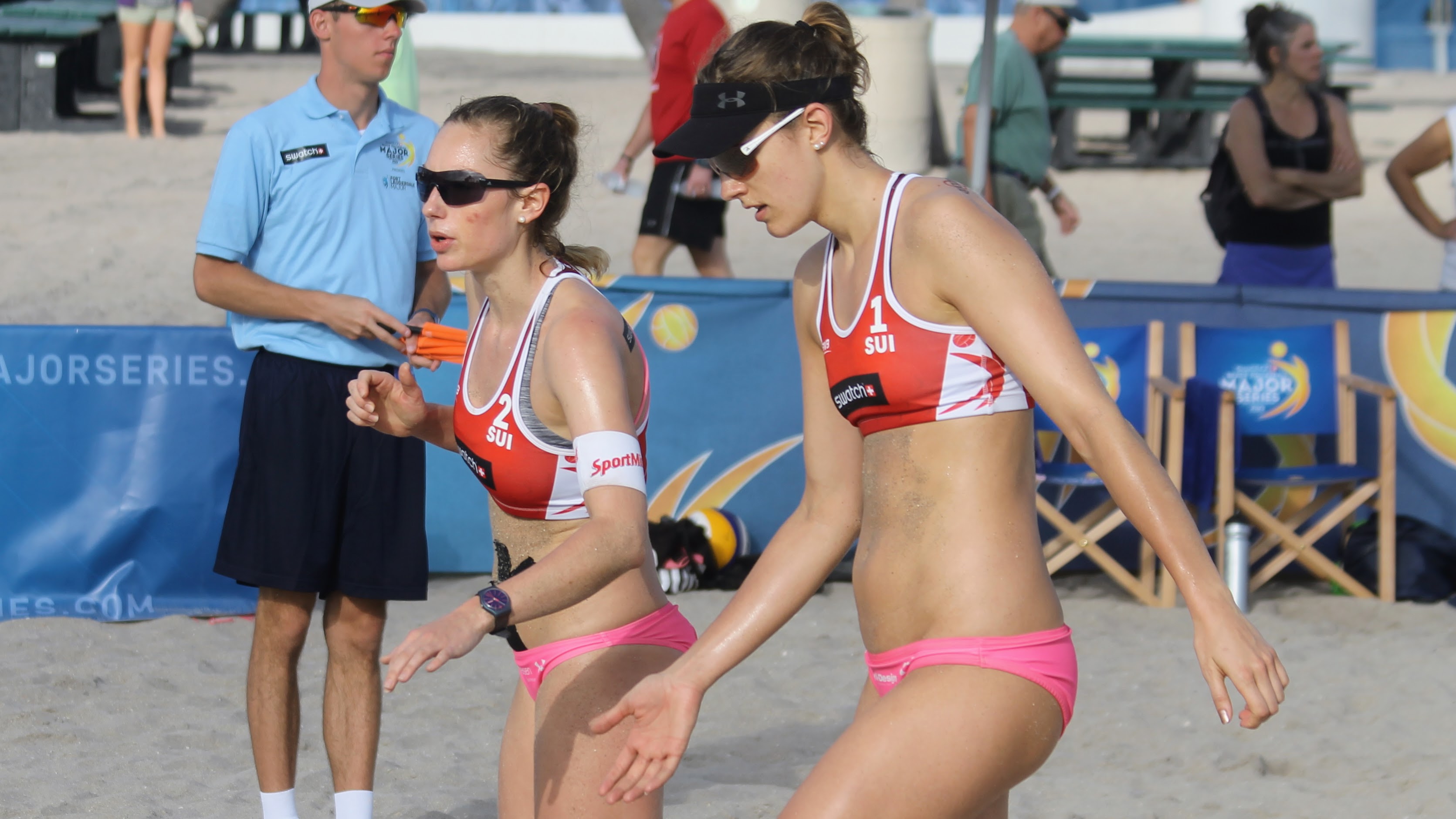
First came the Olympics, watching Nina Brunner and Tanja Huberli win bronze against Australia. Bronze was bittersweet, to be sure. After they had match point against Canada in the semifinal, the ball in the air asking to be killed, a sense of what might have been loomed large. Still, the focus with which they played and the joy that swept over them after the final point was unmistakably moving. No team in the tournament had been together longer, and bronze was career-affirming and life-changing in a country whose athletes earned eight medals in Paris.
The rooting interest notwithstanding, physical distance meant some measure of emotional distance as a fan. I felt as if I was on a roller coaster with each point in the semifinal. I was pleased for them in the bronze medal game, but my emotional investment was kinder on my blood pressure.
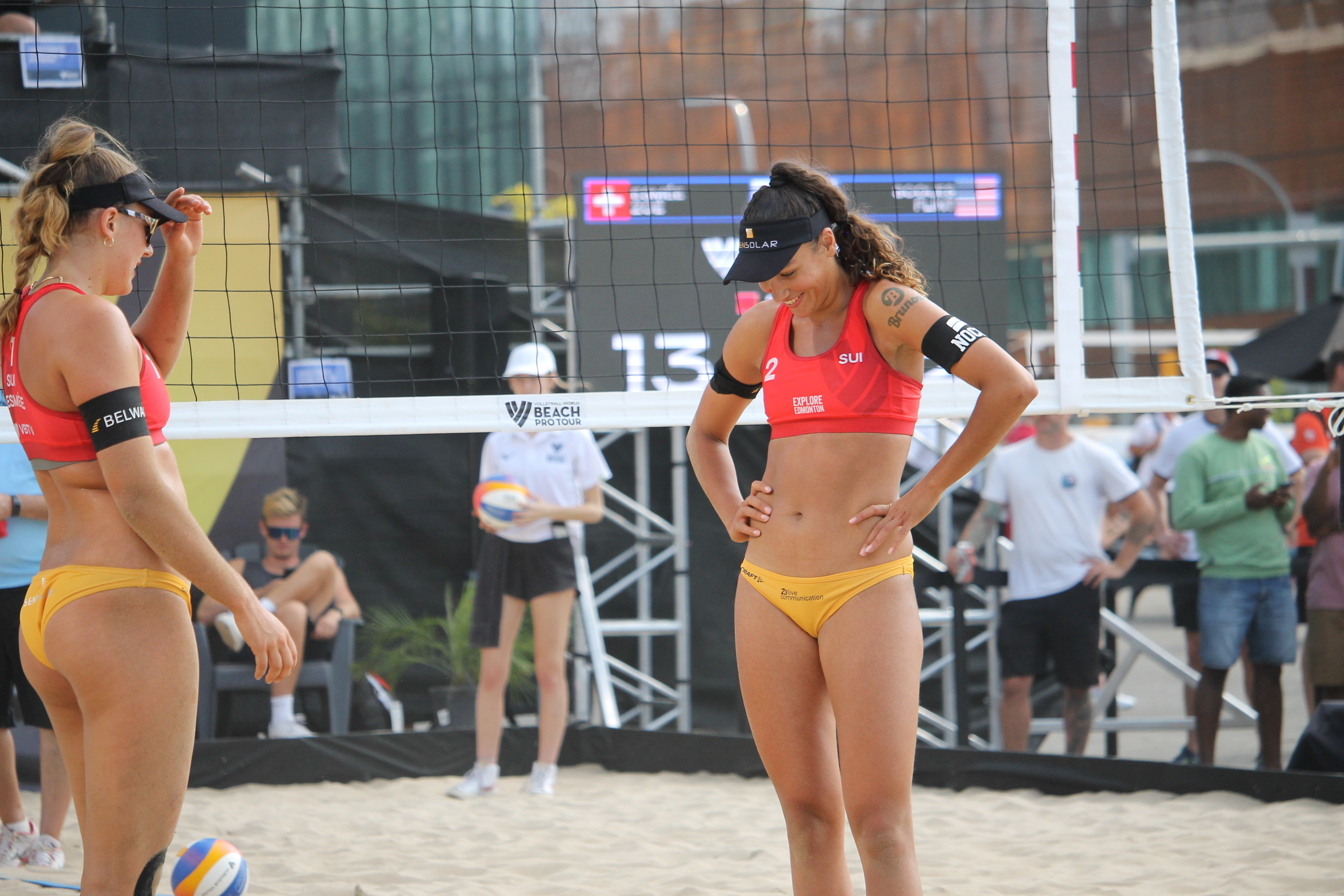
Being there in person in The Hague was different, even with a team still vying to succeed Brunner and Huberli as my team of choice when the latter eventually exit the scene. In Esmee and Zoe’s early days as partners, it was next to impossible to watch their matches in the domestic or lower-tier prove-your-worth tournaments that feed the top of the international game. You followed them much same way you followed a baseball team in the box scores back in the day. Gradually, you began to see them try and qualify, usually via feeds with a single stationary camera at the back of the court. Finally, along with seeing them in person in Edmonton and Montreal, they’ve become fixtures in the main draw and their matches are regularly part of the multi-camera, professional-production streams.
The Swiss played their group and early knockout matches in Apeldoorn, moving to The Hague for Saturday’s semifinals and final after a late night win against local favorites Stam and Schoon the previous night (which, in turn, followed a three-set Round of 16 match earlier Friday). They looked the part of a tired team in the semifinal. Germany’s Muller and Tillman were all over them from the outset. They were unforgiving on a tough passing day for Esmee, serving her exclusively. They also denied the Swiss, one of the most prolific serving teams, any aces.
On the heels of a three-set semifinal thriller between Italy and Lithuania, the second semifinal lasted barely 40 minutes. The Germans prevailed 21-13, 21-16. Rarely have the Swiss ever looked as discombobulated and overmatched. From an American perspective, it was difficult to imagine how they would summon the passion to turn around three hours later and play another match for bronze. How much did it really matter?
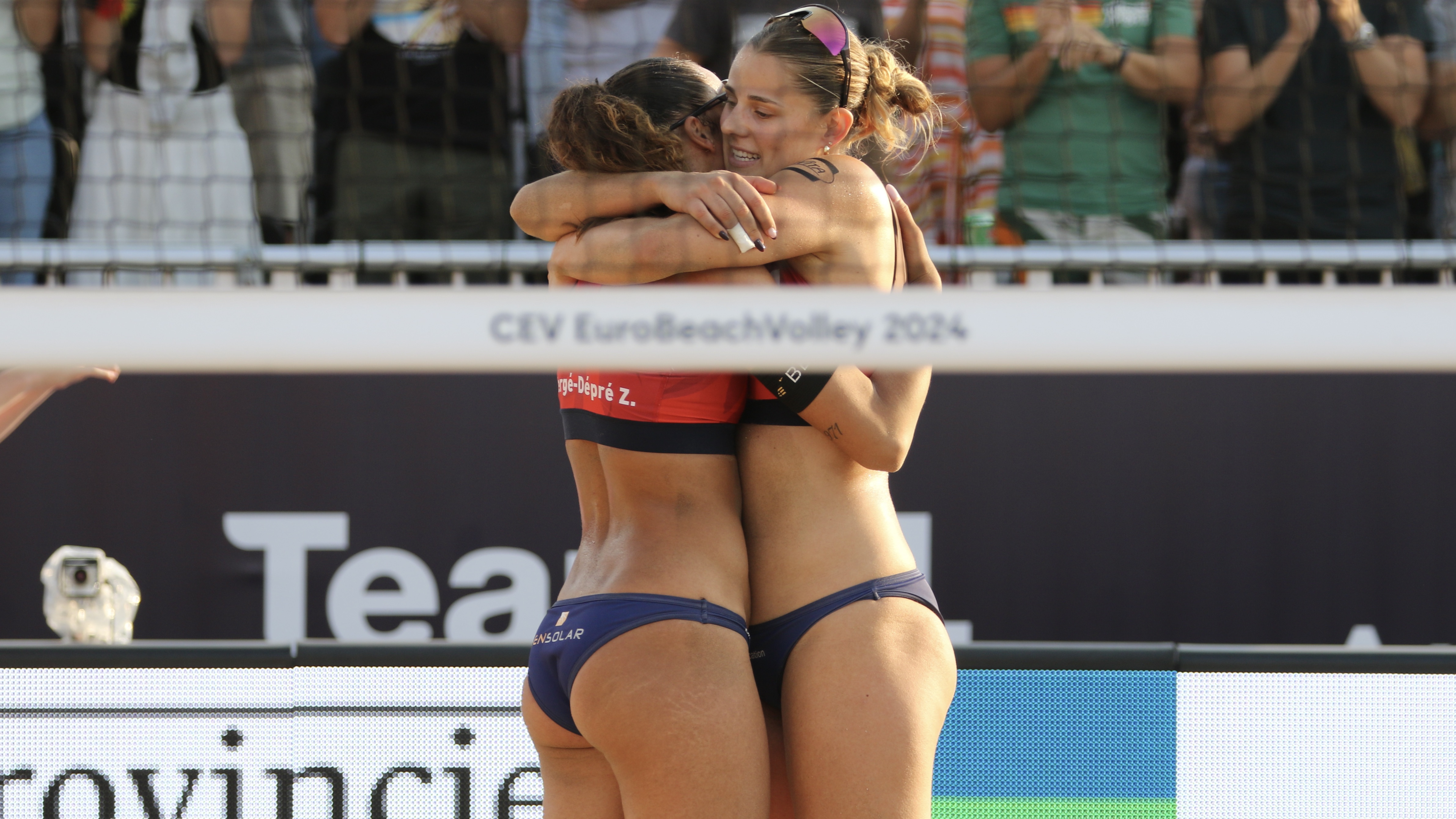
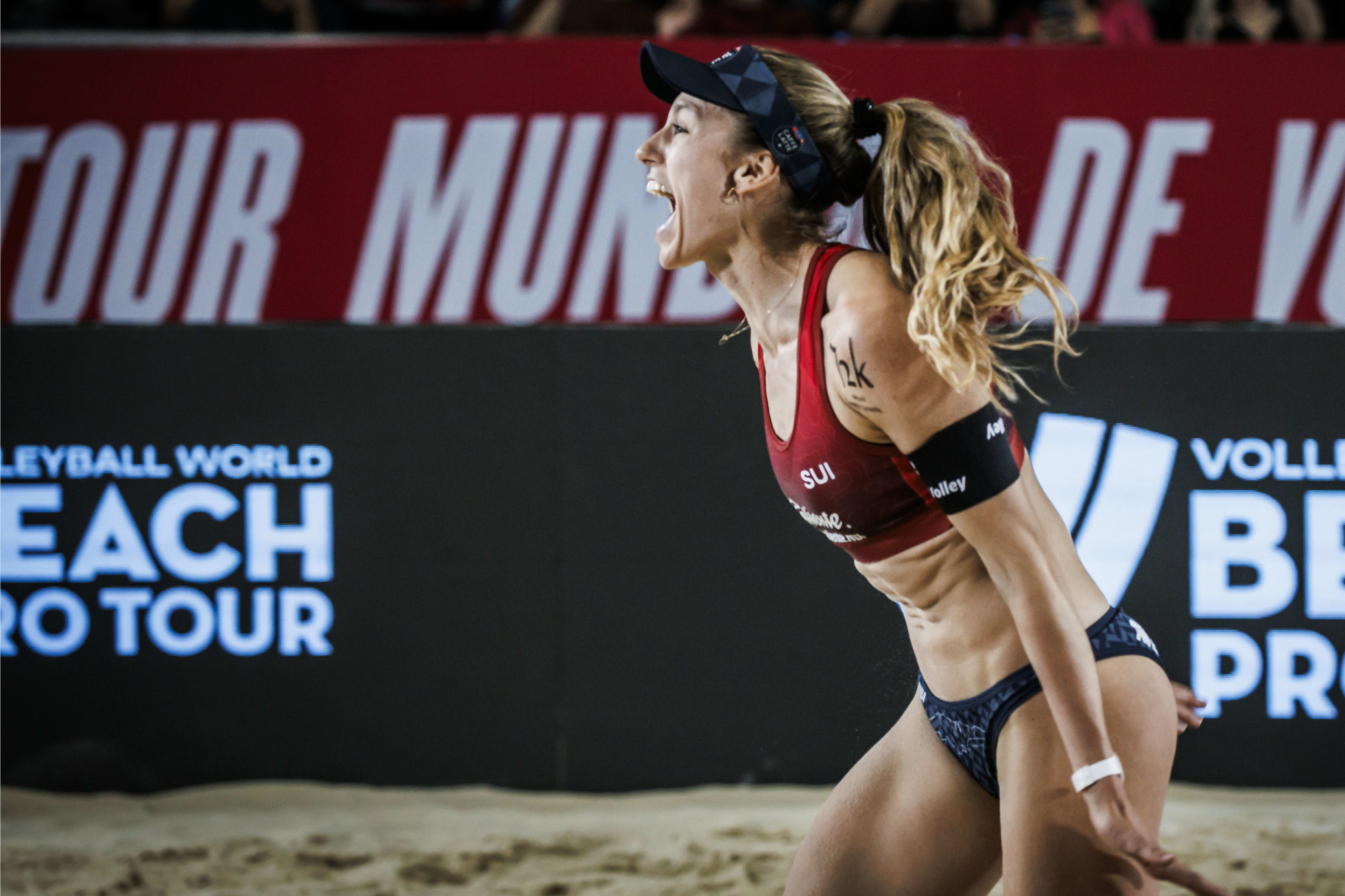
For almost the entirety of the first set of the that match for third place, they, too, appeared to struggle for motivation. Or at least, any improved cohesion. Following the German script, the Lithuanians served Bobner early and often, while the Swiss struggled to cope with 6-foot-5 blocker Aine Raupelyte. Trailing 20-18, Esmee and Zoe were on the brink of losing their third consecutive set of the day. They rolled off four consecutive points to steal the set, a Verge-Depre ace instrumental. As is often the case in a sport where psychology plays such a key role, and by attacking Raupelyte’s dwindling confidence with the serve, it was all Swiss after that.
It wasn’t the result they wanted when the day began, to be third among the four remaining teams. But that’s also third out of 32 teams in the tournament. Third out of all the teams on the continent. Third after fourth place seemed inevitable late in the first set. Third after the emotional and physical exertion of reaching the Olympic quarterfinals a week earlier. Third after more than a year chasing Olympic qualification around the globe, in Zoe’s case going toe to toe with her older sister, Anouk, for the final Swiss spot in Paris.
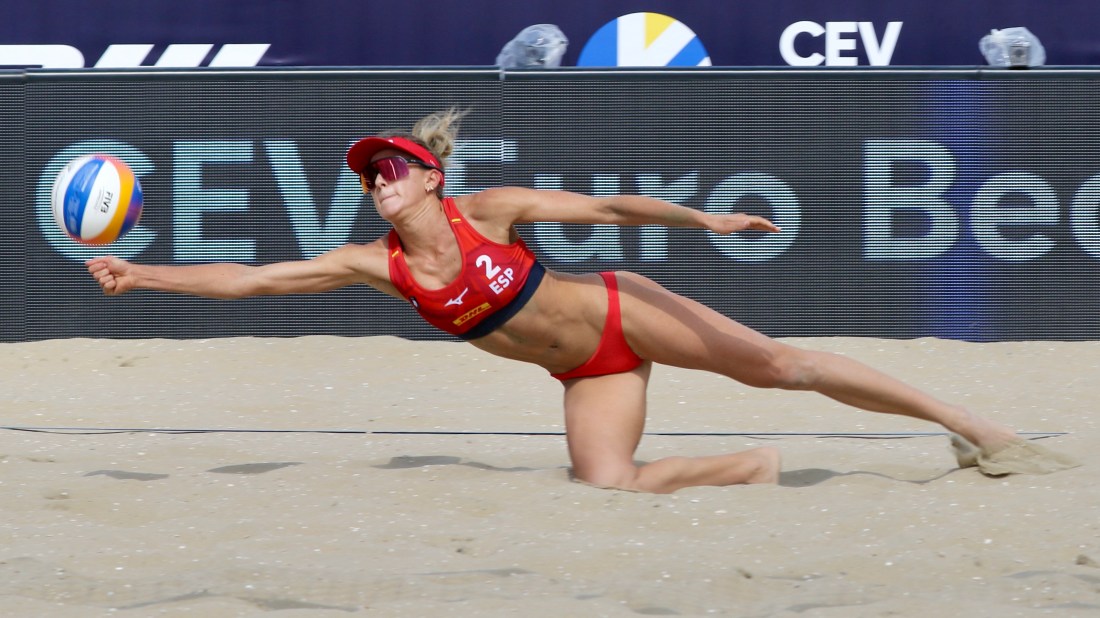
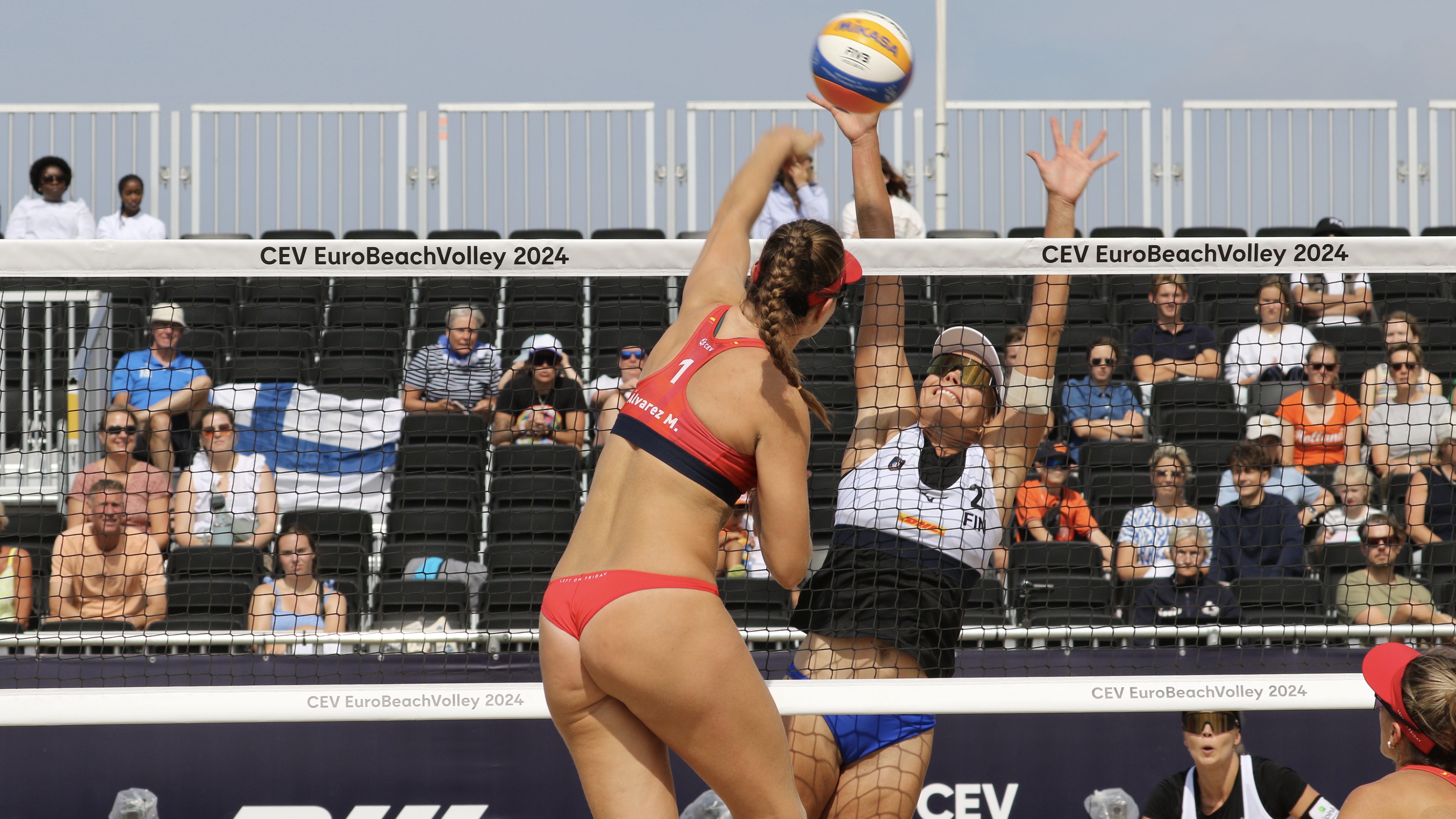
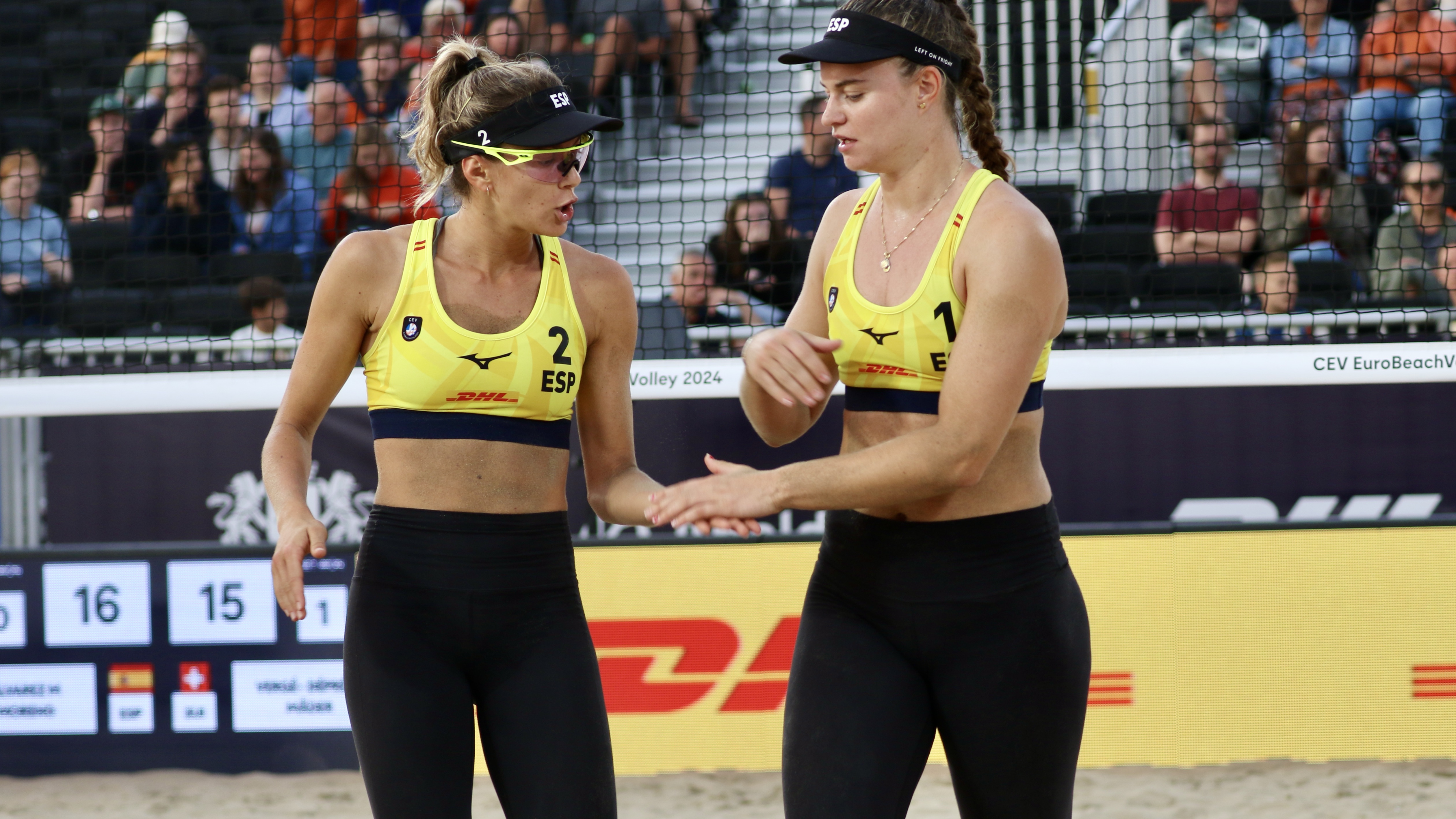
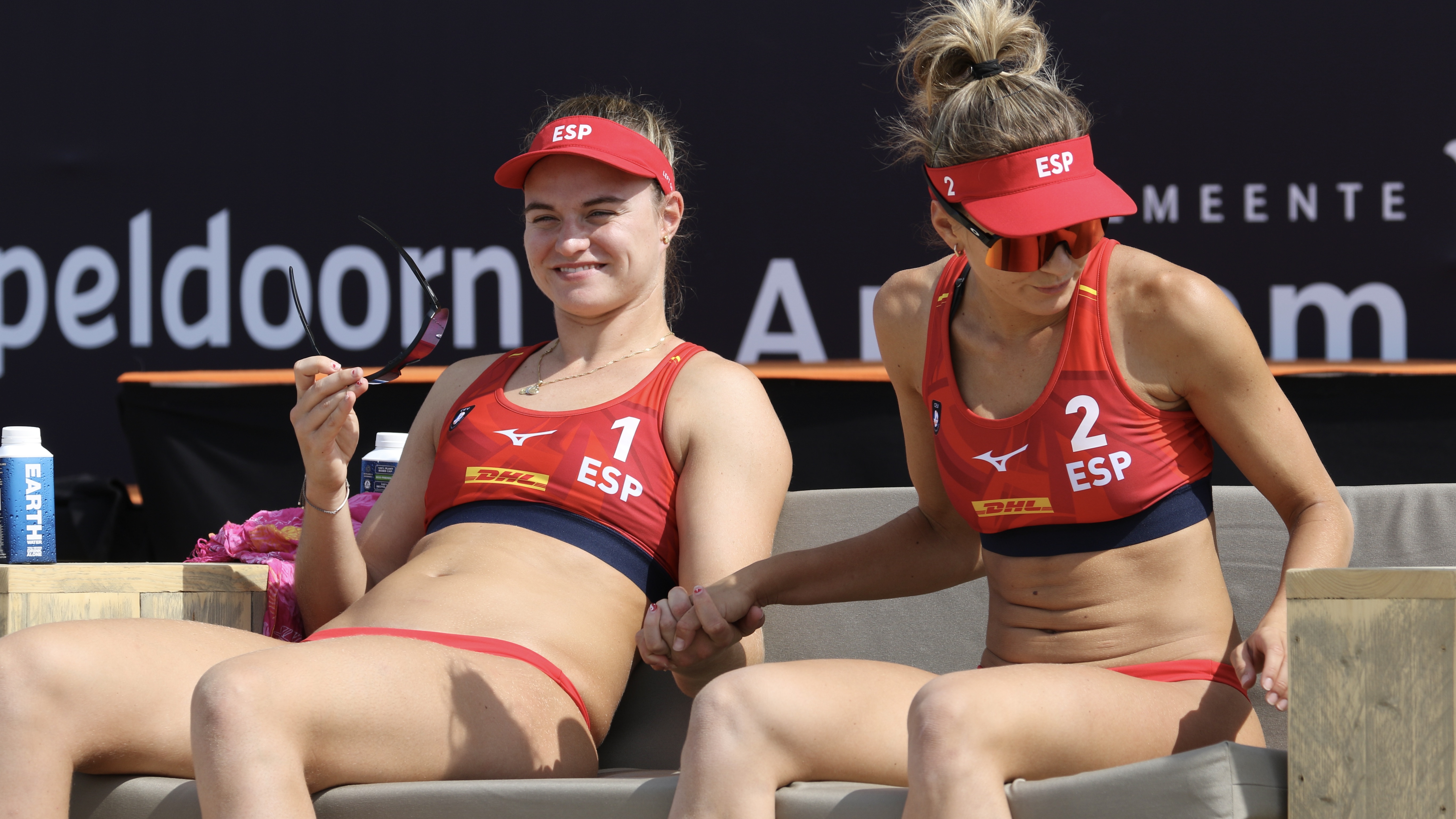
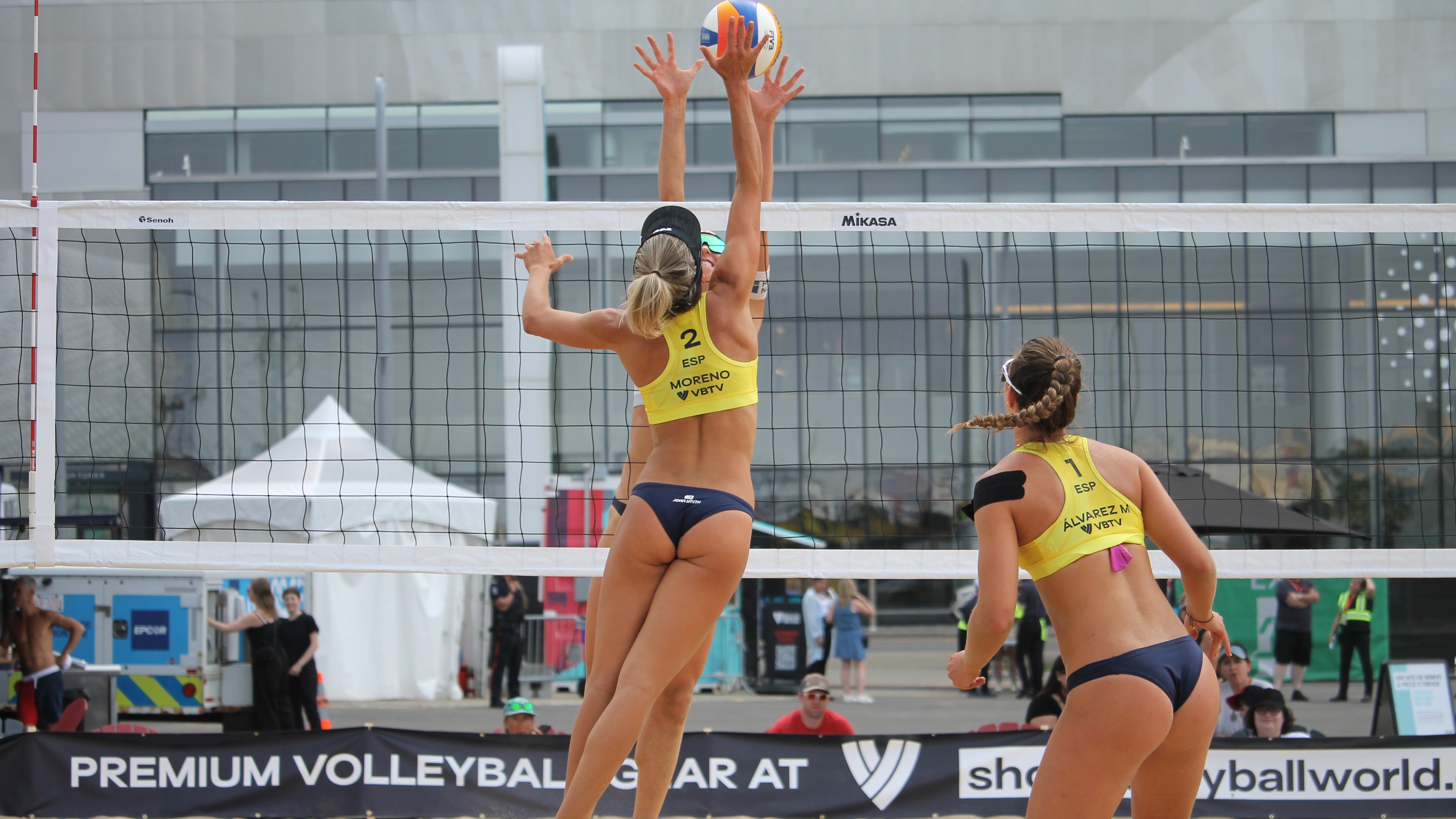
I wrote earlier in the tournament about the Spanish team of Daniela Alvarez and Tania Moreno and the not-insignificant challenge of learning how to come down from similar heights. The Swiss are similarly up and coming, but they have a couple of years on the Spanish pair. The German champions, so comprehensively impressive in the semifinal and final after a disappointing Olympics, have quite a few years on the Swiss. Everyone enters a tournament and takes the court to win. That’s the point of competing. But if you treat life or sport as a zero-sum game, in which one team winning means everyone else loses, you miss out on a lot.
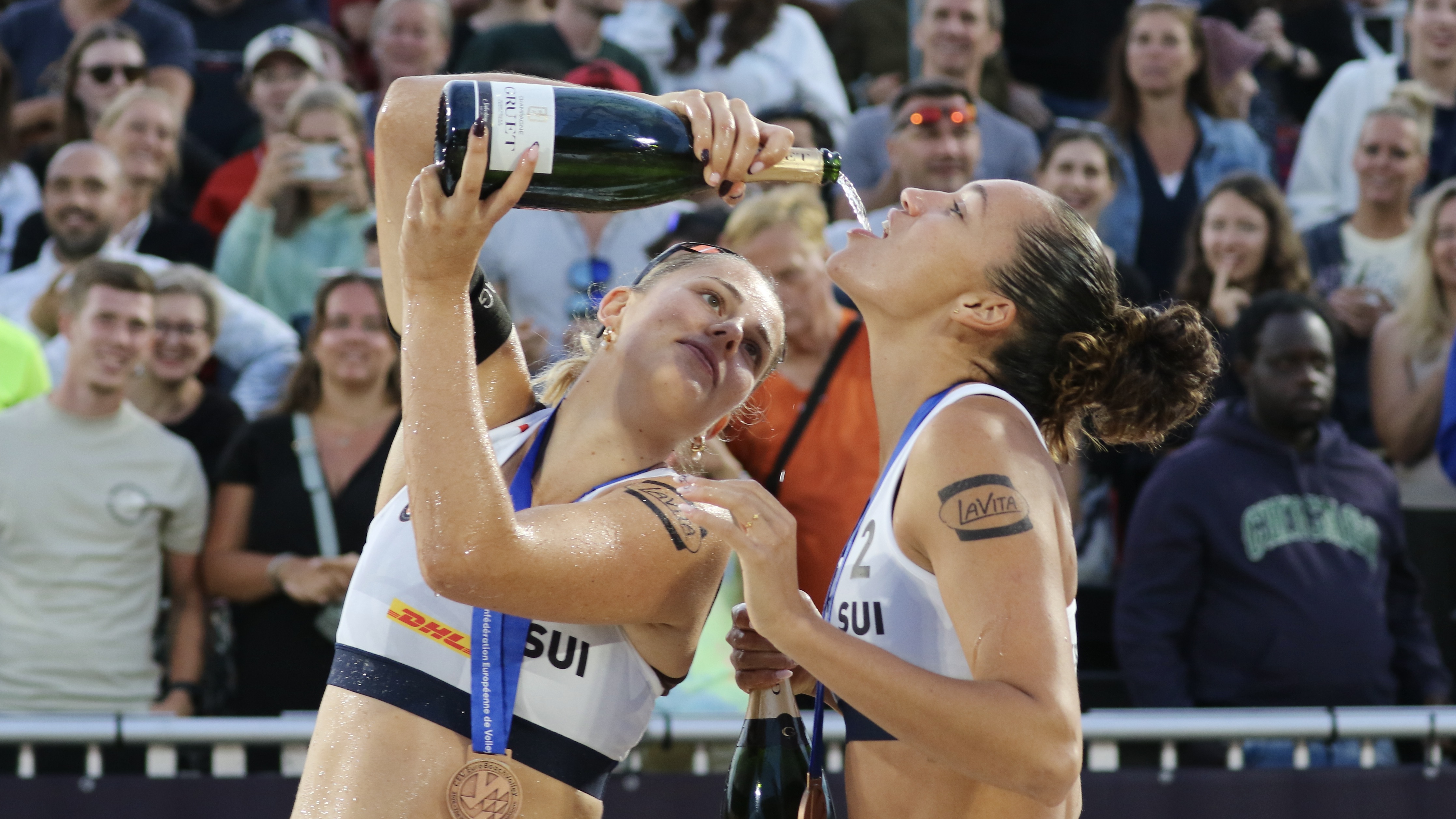
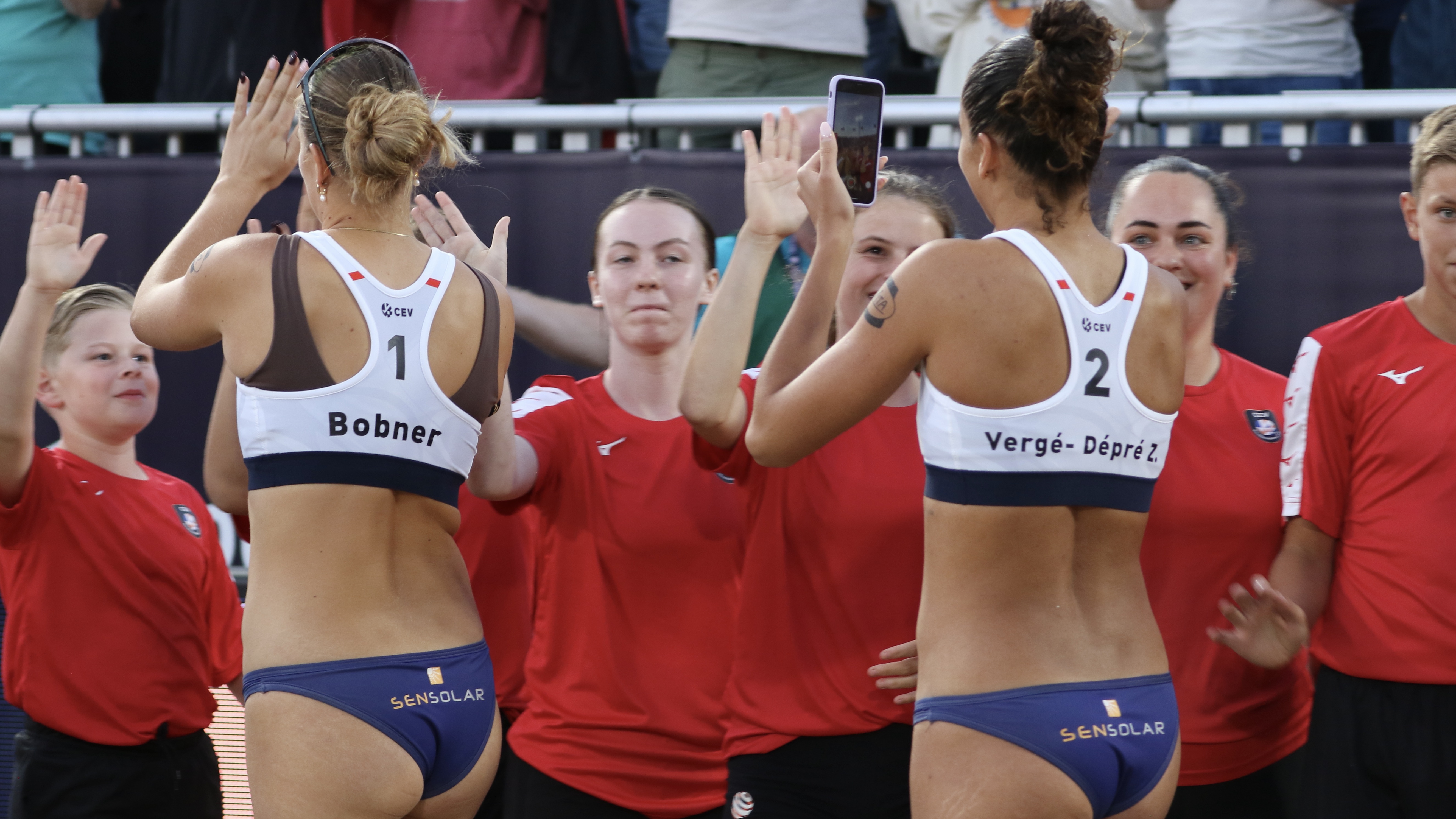
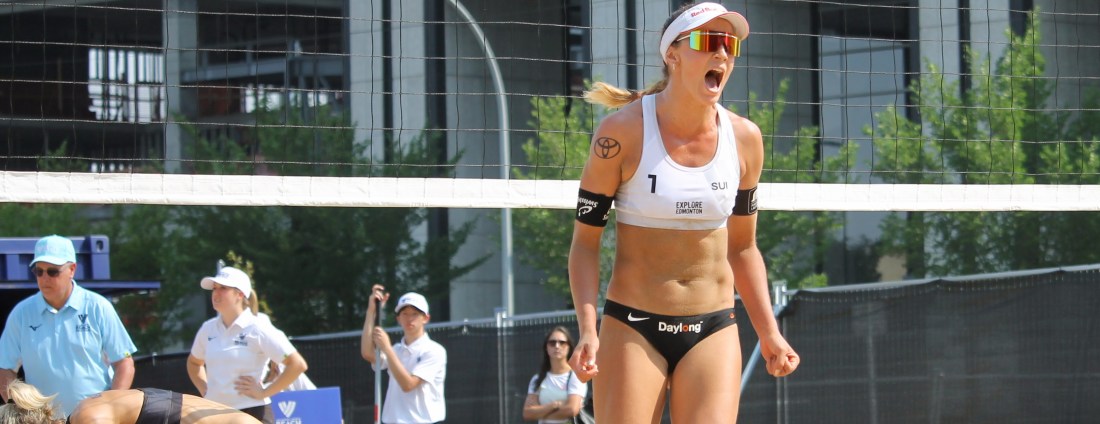
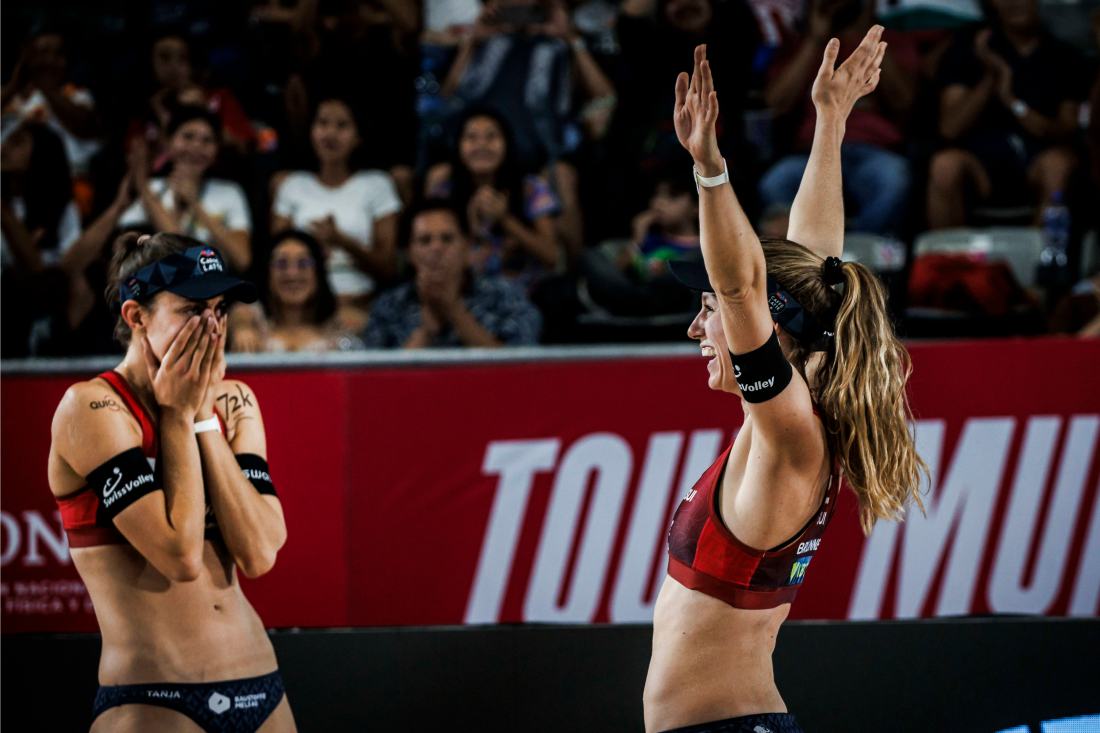
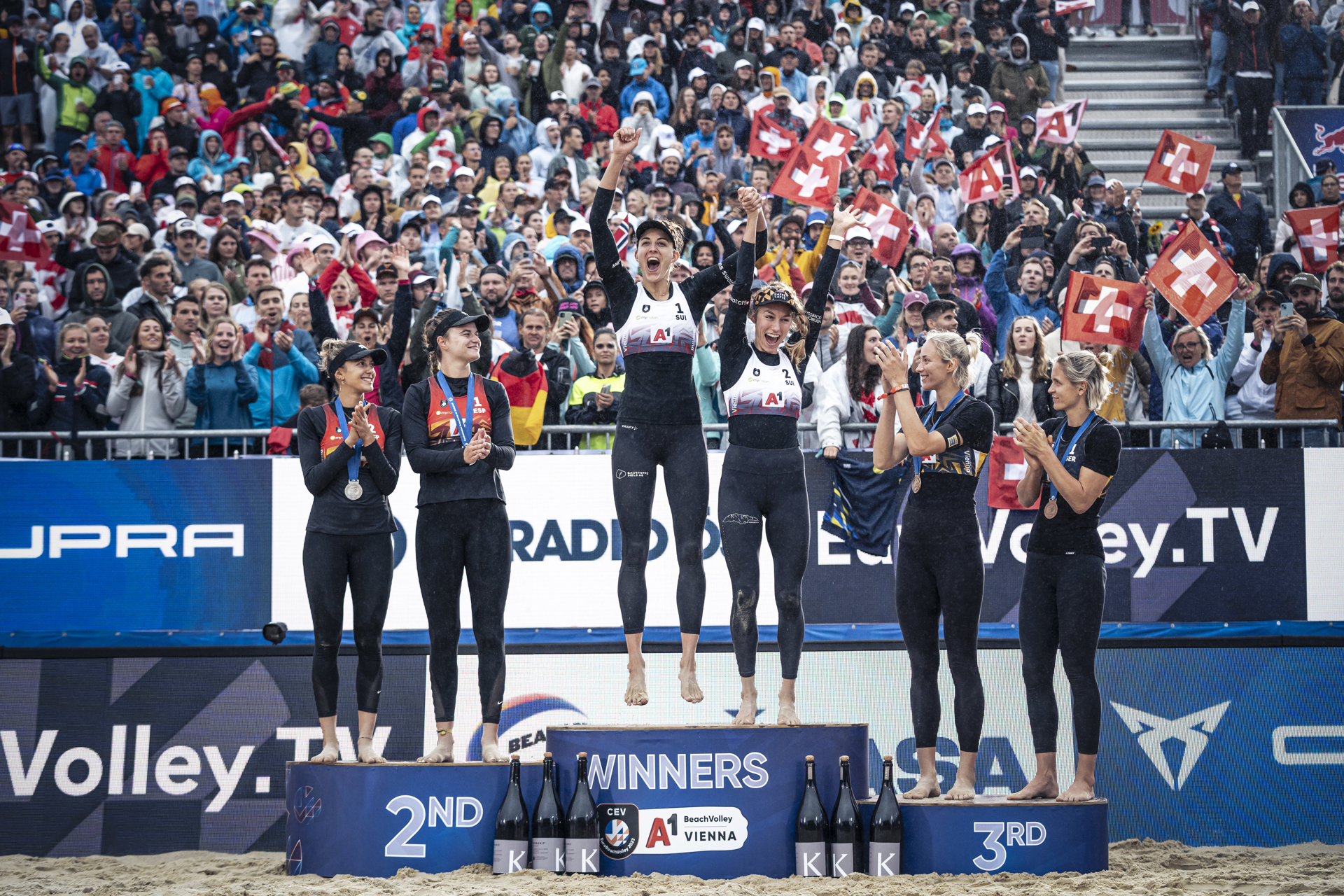
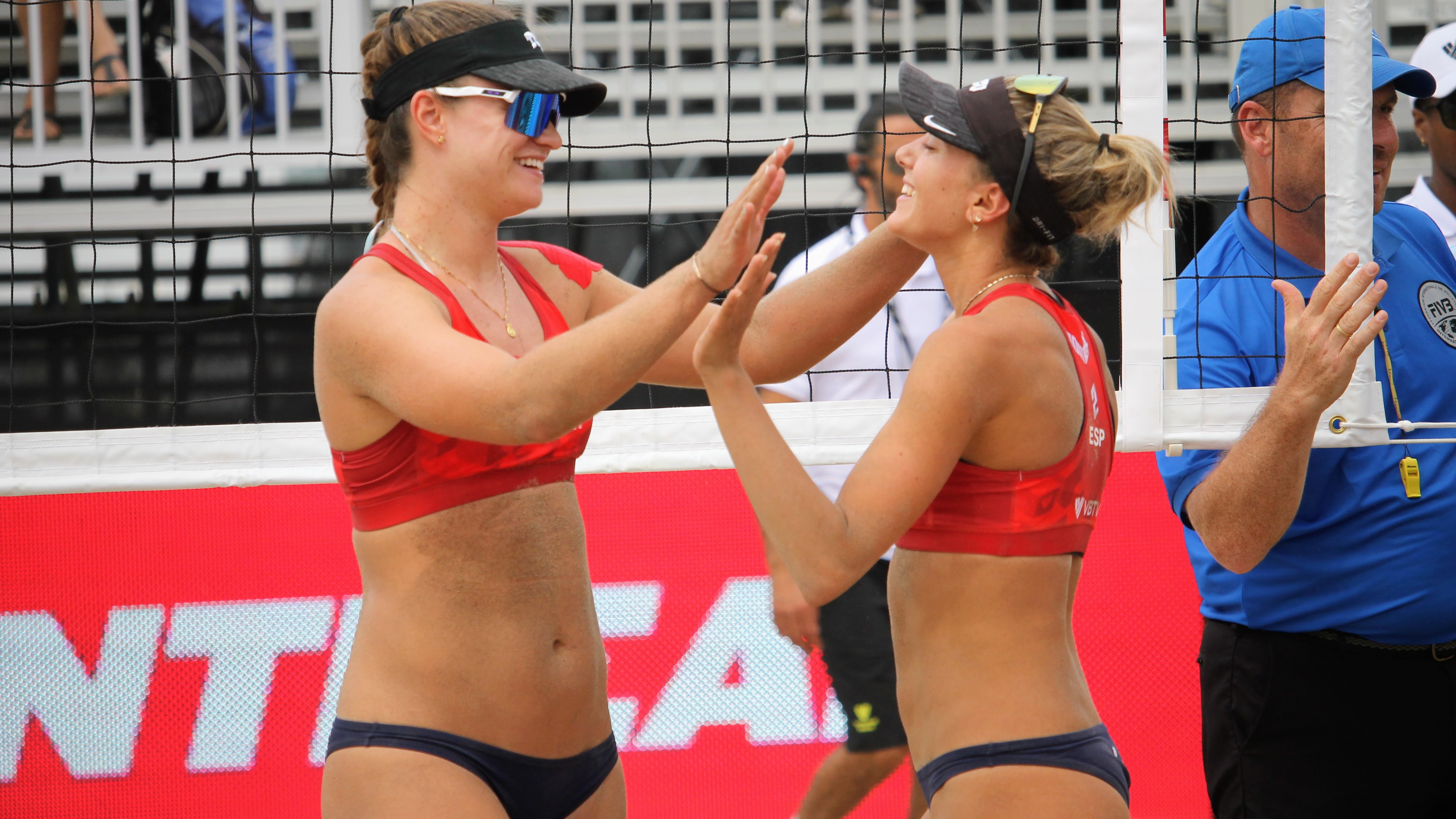
The hour that the Swiss had to wait for the medal ceremony didn’t diminish the emotion visible in the immediate aftermath of their victory—both on the court and hugging anyone and everyone in the Swiss traveling party near the mixed zone. Returning to the court for the ceremony following the gold medal game, Zoe carried her cell phone to capture everything from high-fiving the volunteer kids to the awarding of the medals. Esmee looked giddy, teaming with Italian silver medalist Valentina Gottardi in nearly crashing the first place podium prematurely to celebrate en masse, and first out of the blocks to spray champagne.
Consolation carries a negative connotation in the language of sports. A consolation point or goal is too little too late. We use “small consolation” for something that makes no difference. Third place is a consolation place. But the word itself means comfort received after a disappointment. Consoling someone is an act of kindness. Earning your own consolation by winning the bronze medal match should be celebrated.
Sometimes even with champagne.

I can’t promise I’ll watch the third place match in the 2026 World Cup. It’s different when you have a rooting interest. It’s different when you’re there. Maybe it’s not necessary at Wimbledon or in the Champions League. Perhaps we live in an increasingly winner-take-all world (one more American gift). All I know is I’ve seen a lot of championships I didn’t enjoy as much and won’t remember as long as watching a team celebrate the bronze medal in Den Haag.







 Graham Hays