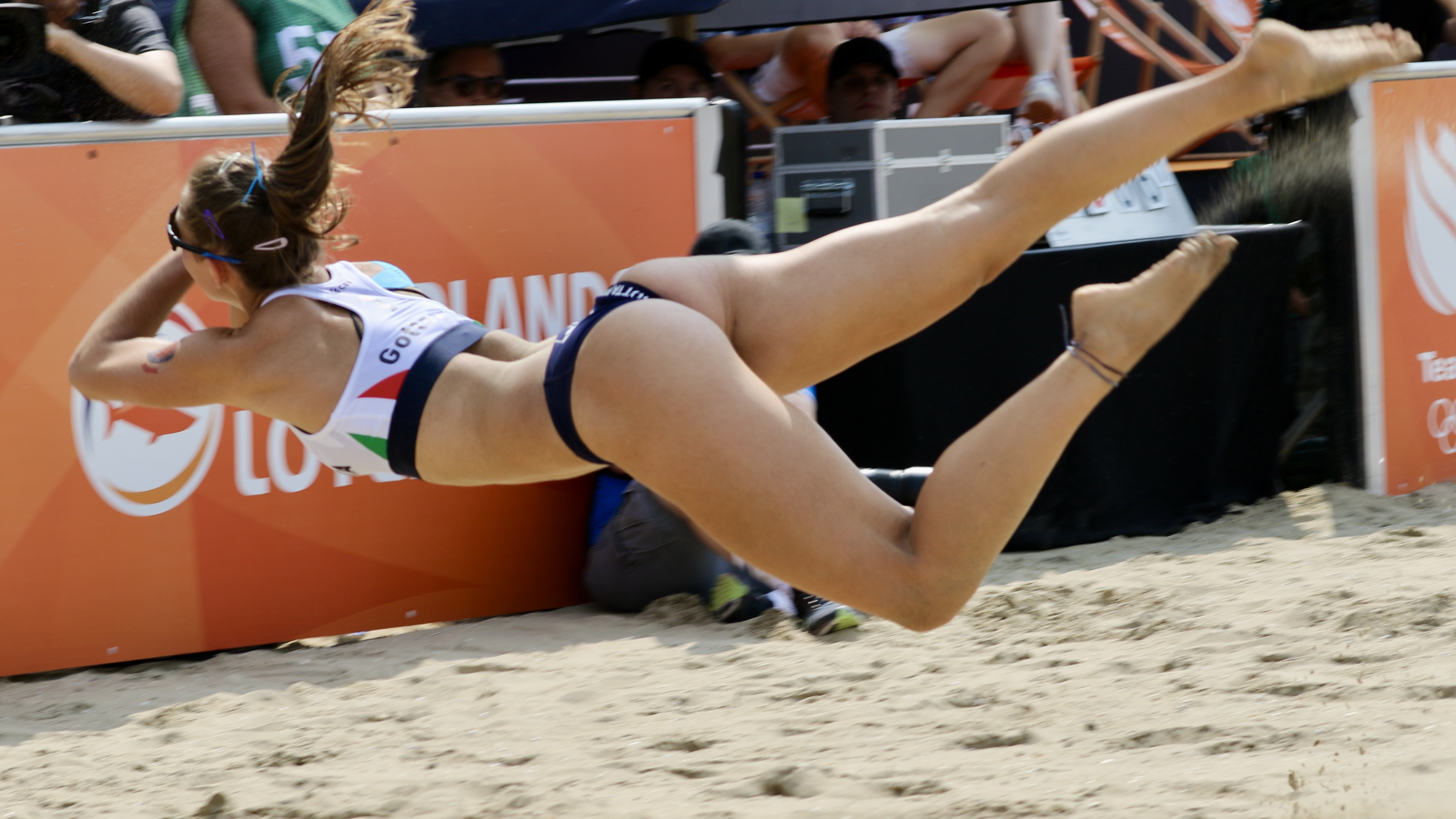
One of the first times I saw Valentina Gottartdi play in person, she ran through the advertising boards, off the raised court and into metal barricades below in pursuit of a ball. She managed to keep it in play before disappearing into the abyss. After a short medical timeout to patch her up, she kept playing—and diving after everything she could that afternoon in Edmonton.
Sometimes people just play the game differently.
It’s one of the wonderful things in sports, when an athlete at the highest level manages to stand out as something different. It’s not necessarily about dominance, although the two aren’t mutually exclusive. Katie Ledecky, Femke Bol, Sydney McLaughlin-Levrone—and in those long ago days when she was just getting started, Marta. They stood out from the start, partly because they were usually so far out in front.
But an athlete doesn’t have to dominate to captivate. Not right away. Allen Iverson was simply different in how he played the game. Not necessarily better than the best of his peers but unmistakably mesmerizing. The same for Rose Lavelle in her days on the soccer field at Wisconsin or Angel McCoughtry on the basketball court at Louisville.
To me, no expert, the epitome of this in volleyball is Brazil’s Ana Patricia. Watch her play a match and you’re almost guaranteed to see something you won’t see anyone else try. Usually, but not exclusively, that works out to Brazil’s benefit.

Any sport at the elite level breeds conformity. Even more in the age of data, there is an efficient way to play, a right way to play. There is flexibility only within that spectrum. To borrow an analogy from the world of wine, you can choose what kind of pinot noir you want to be. You can’t choose to be a gewürztraminer. On the other hand, Ana Patricia’s size, skills and languid creative genius allows her to play a game all her own.
In a quite different way, so, too, does Gottardi’s unbridled and unrelenting energy.
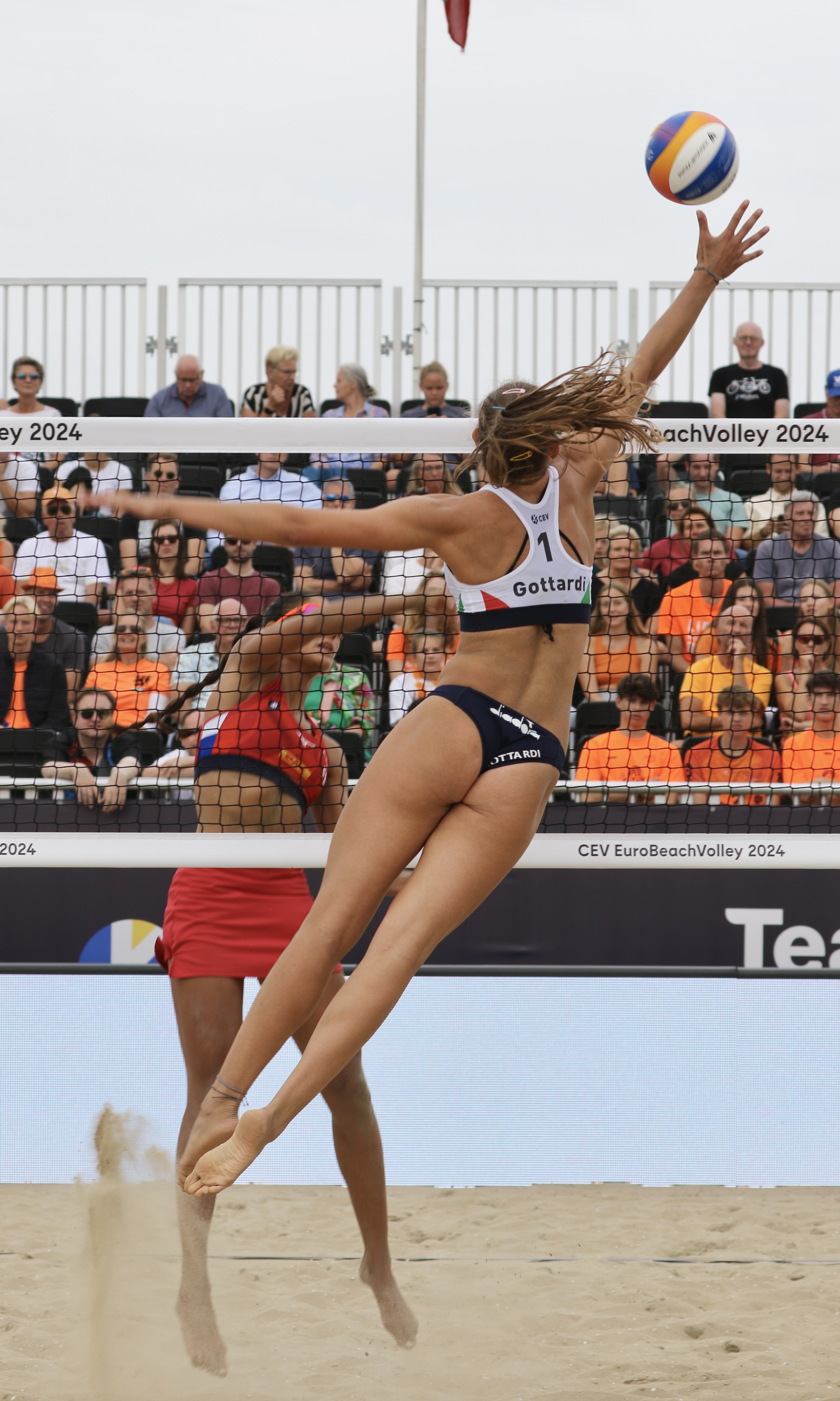
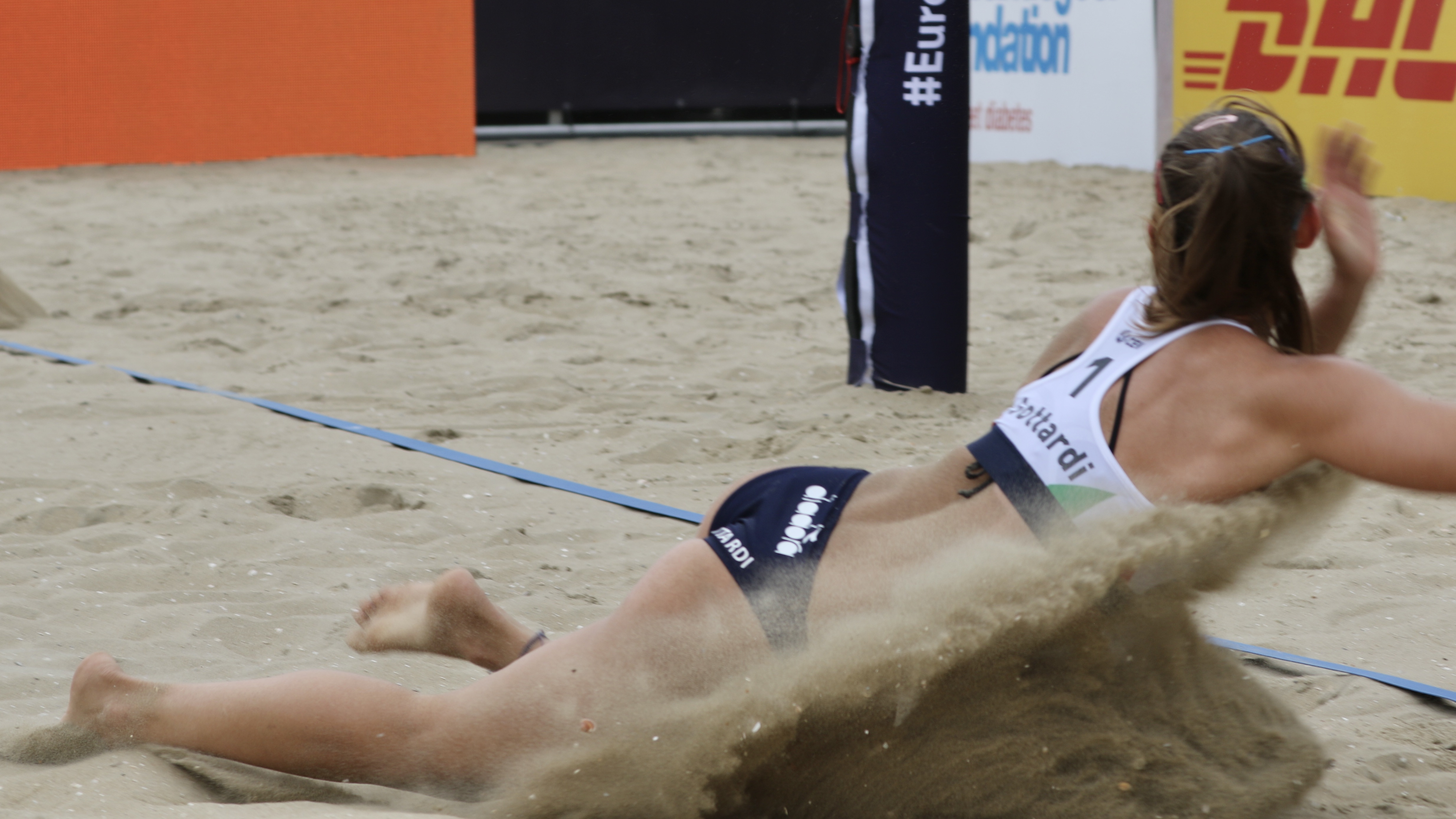
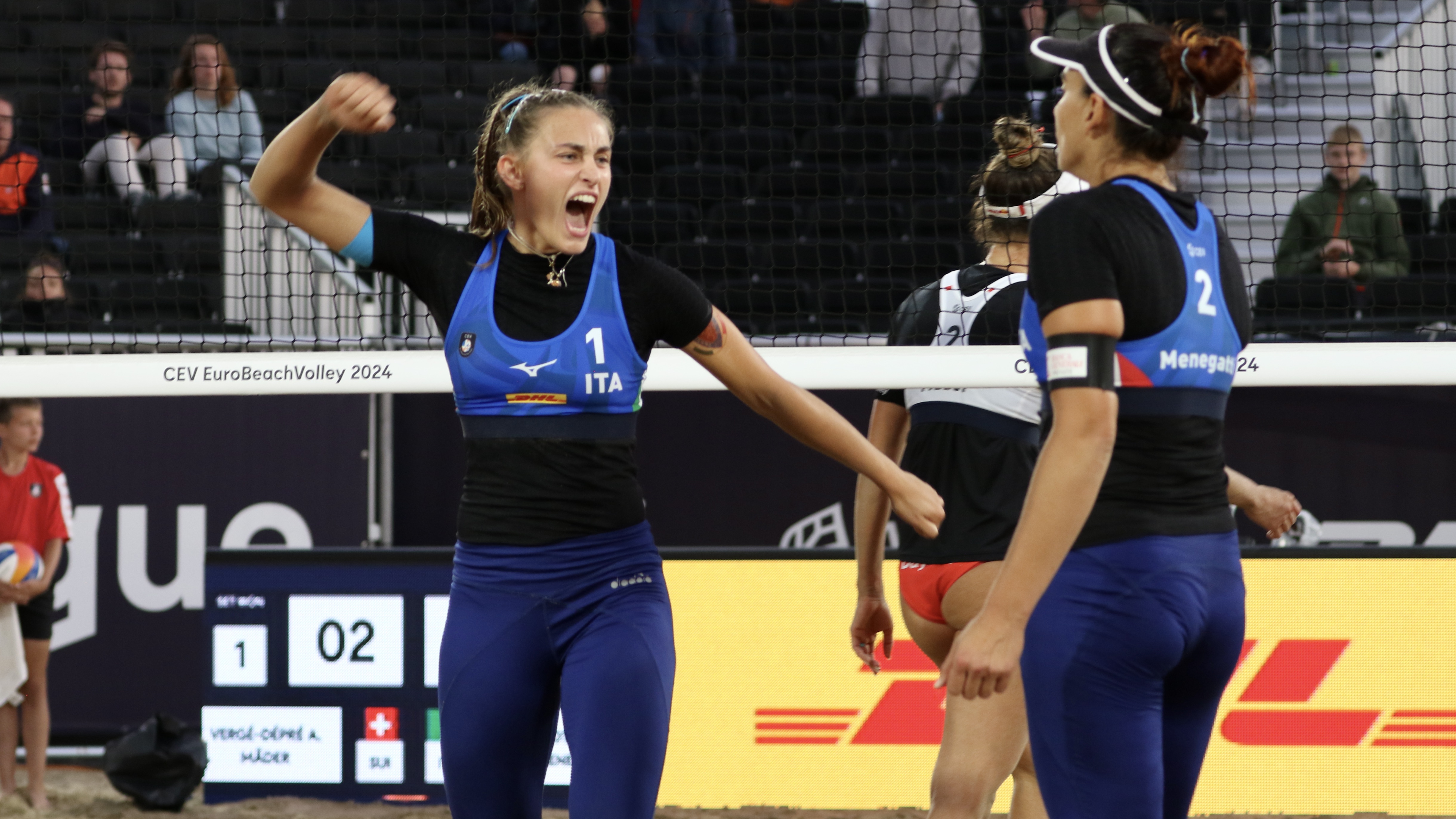
Gottardi will chase the ball into harm’s way. She’ll sprint under the net and dive almost to the opponent’s bench in pursuit of keeping the point alive. Where other players land on the sand when they dive, Gottardi comes back to ground with such force that sand explodes around her. She climbs higher for a kill and drives the ball harder and flatter with her serve. Everything that happens on a volleyball court happens a little bit more when she’s involved.
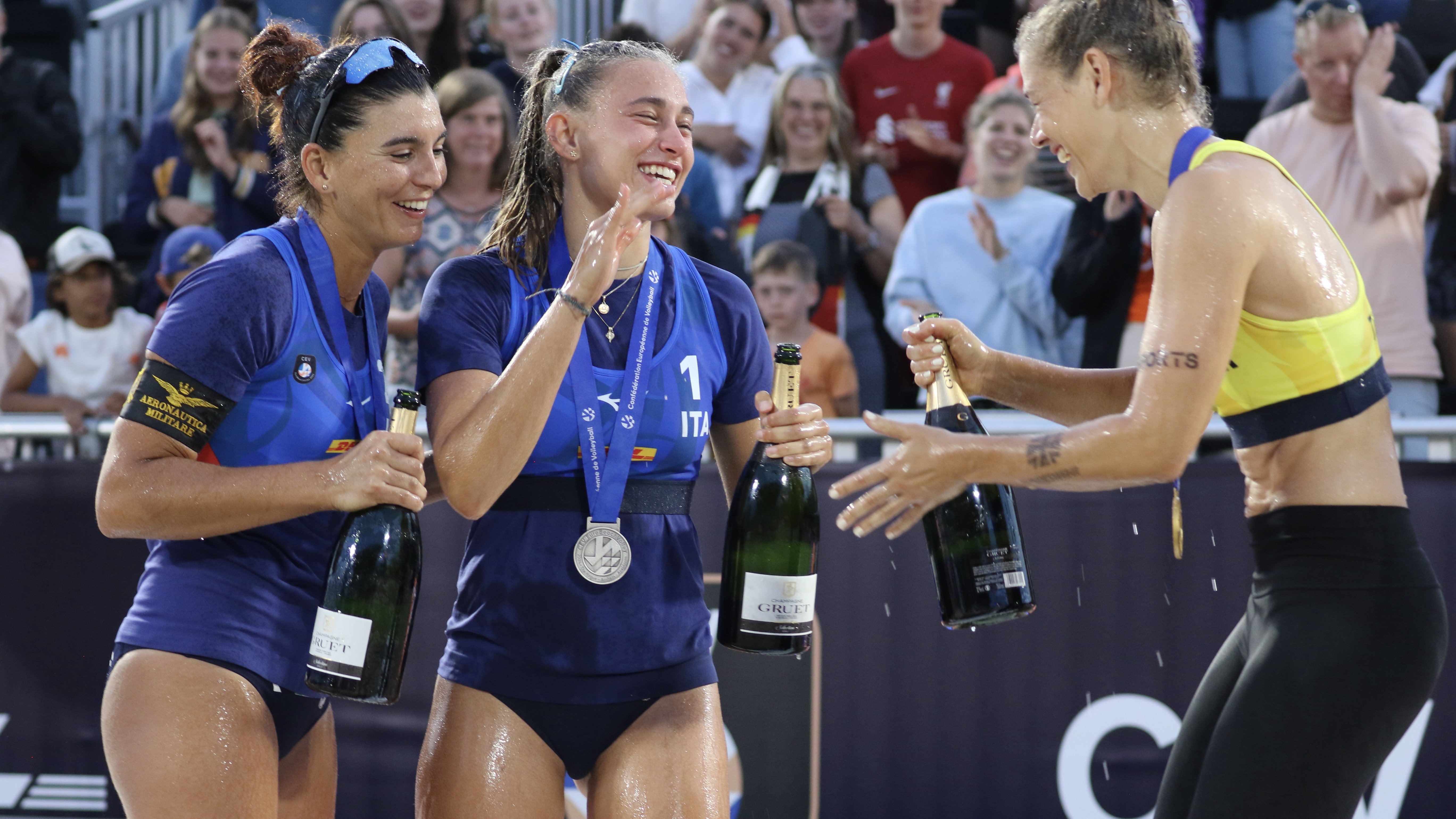
In the 21-year-old Italian’s case, some of this might come down to youth. Again, people who know the sport far better than I do may say that, however well intentioned, there’s really no need to chase a ball to the bench on the far side of the net. Save your energy. It’s all the more striking watching Gottardi play alongside four-time Olympian Marta Menegatti. At 34 and in occasional need of “magic spray” for her knee during breaks in play, Menegatti has turned the acts of wiping off sunglasses, bickering with referees and challenges into art forms in pursuit of a few extra seconds of rest. She’s all about controlled movement.
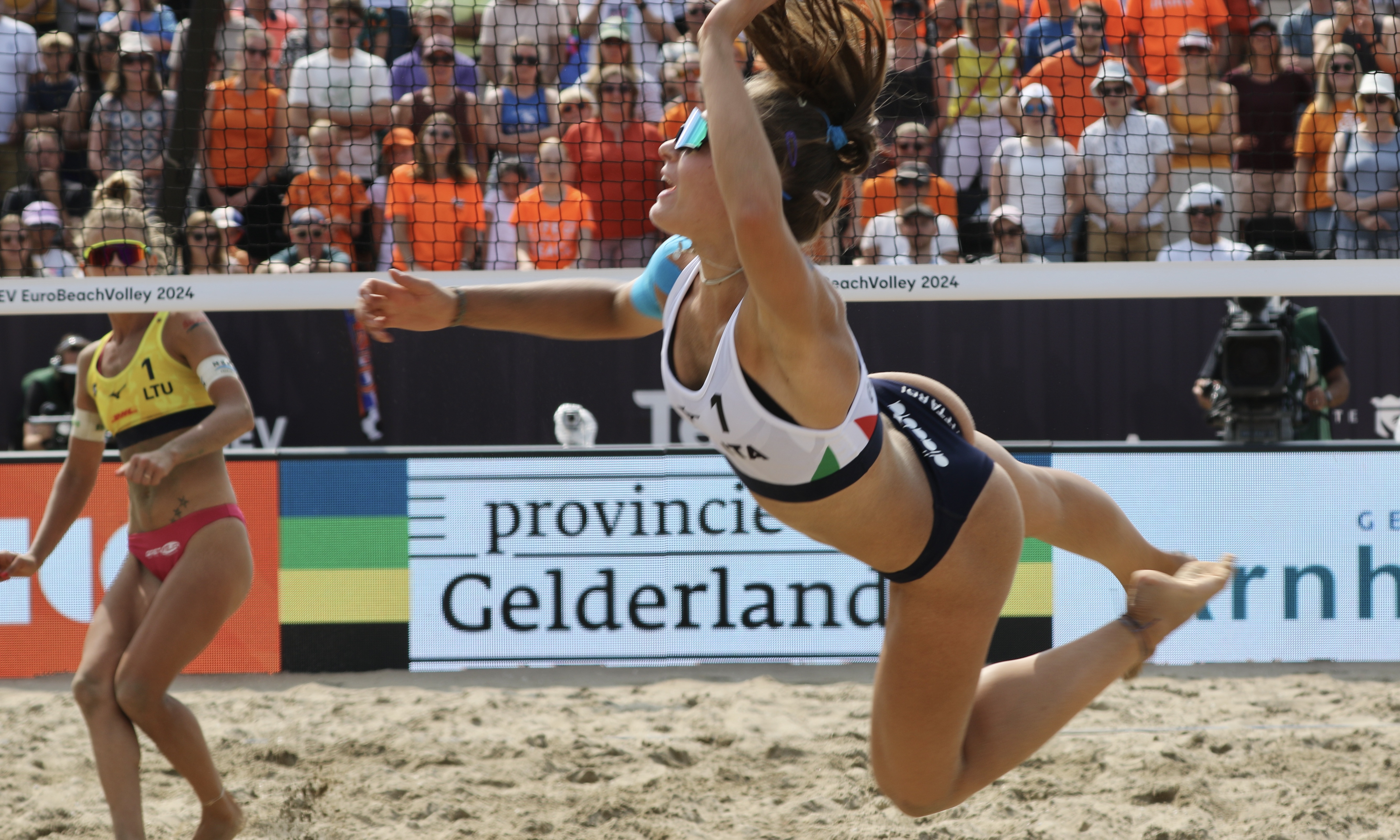
In the most complimentary way possible, Gottardi is like a young golden retriever bounding after her partner, wanting nothing more than to play. She jogs to the bench for timeouts. Her energy bubbles over after big points, released in primal screams of intensity or joy.
With time, maybe Gottardi will begin to play a bit more like everyone else. But I hope not.

 Graham Hays